The Weight of Whispers: A Connoisseur’s Guide to Celtic Jewelry and Its Timeless Symbology
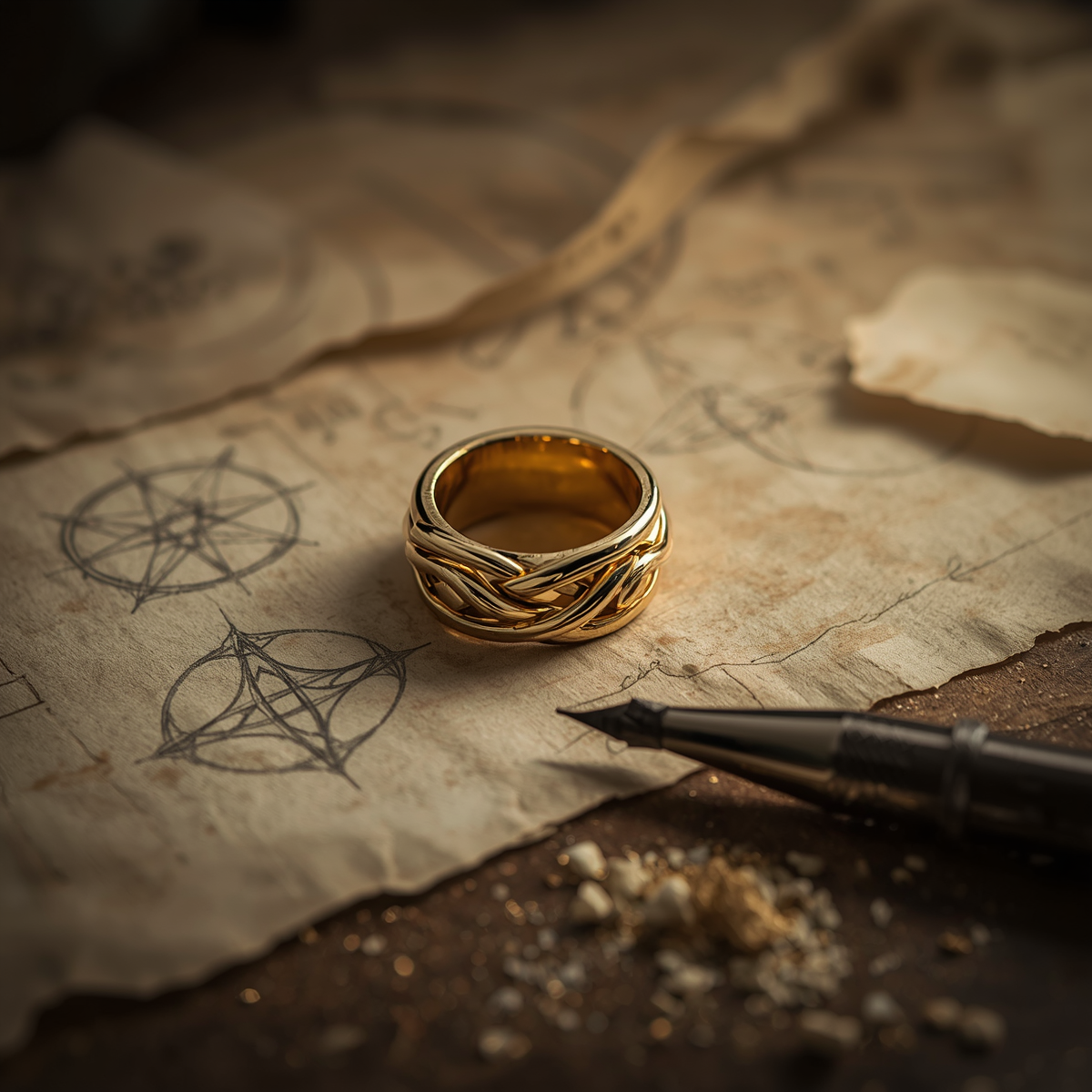
T here is a distinct, grounding sensation when you slide a finely crafted band of gold or cool sterling silver onto your finger—a tactile link to a lineage stretching back thousands of years. Celtic jewelry stands apart in the world of luxury adornment, not merely as decoration, but as a vessel of meaning, history, and identity.
Rooted in the ancient Insular style, these designs weave together geometry, spirituality, and storytelling. Yet today’s market is crowded with mass-produced imitations and diluted symbolism. This guide will help you understand authentic Celtic motifs, appreciate their origins, and invest in pieces that hold both emotional depth and lasting value.
The Geometry of Eternity: Core Symbols Explained
At the heart of Celtic design lies the “endless path”—a continuous, unbroken line symbolizing eternity, interconnectedness, and the cycles of life. Authentic craftsmanship ensures these patterns flow seamlessly, with no visible beginning or end.
The Trinity Knot (Triquetra) represents unity in threes—whether land, sea, and sky or mind, body, and spirit. The Celtic Cross merges pagan solar symbolism with Christian faith, forming a bridge between belief systems. Meanwhile, the Tree of Life reflects harmony between earth and heaven, with roots and branches intertwined in perfect balance.
Symbol Guide at a Glance
| Symbol | Meaning | Key Feature |
|---|---|---|
| Trinity Knot | Unity and eternal life | Three interwoven loops |
| Celtic Cross | Faith and eternity | Cross with circular halo |
| Tree of Life | Balance and connection | Interwoven roots and branches |
The Claddagh: Love, Loyalty, Friendship
Originating in 17th-century Galway, the Claddagh ring is a powerful symbol of human connection. Its design is simple yet profound: a heart for love, a crown for loyalty, and hands for friendship. Traditionally, it is worn in specific ways to signal relationship status, making it both meaningful and functional.
When choosing a Claddagh, prioritize solid construction. High-quality versions feature a sturdy band and smooth detailing, ensuring comfort and durability for everyday wear.
For a deeper look at gemstone symbolism across cultures, explore The Eternal Brilliance: A Master Guide to Diamond History, Symbolism, and Curation.How to Choose Authentic Celtic Jewelry
- Check hallmarking. Authentic pieces should include stamps like 925 for silver or 14K/18K for gold.
- Examine craftsmanship. Look for deep, high-relief engraving rather than shallow, mass-produced etching.
- Avoid “meaning-washing.” Not all modern designs are ancient—verify historical authenticity before paying premium prices.
Frequently Asked Questions
-
Are all Celtic knots religious?
No. While some were adapted into Christian symbolism, many originate from broader themes like nature, eternity, and balance. -
What is the oldest Celtic symbol?
The spiral, found in Neolithic sites like Newgrange, predates Celtic culture and represents cycles and continuity. -
Can anyone wear Celtic symbols?
Yes. These designs express universal ideas and are widely appreciated across cultures.
Conclusion
Celtic jewelry endures because it speaks to something timeless—the human desire for meaning, connection, and legacy. By understanding its symbols and choosing pieces crafted with intention, you transform jewelry from ornament into heirloom. Each line, curve, and knot becomes part of your story—one that, like the designs themselves, has no true end.