The Art of the Heirloom: A Masterclass in Jewelry Care and Gemstone Longevity
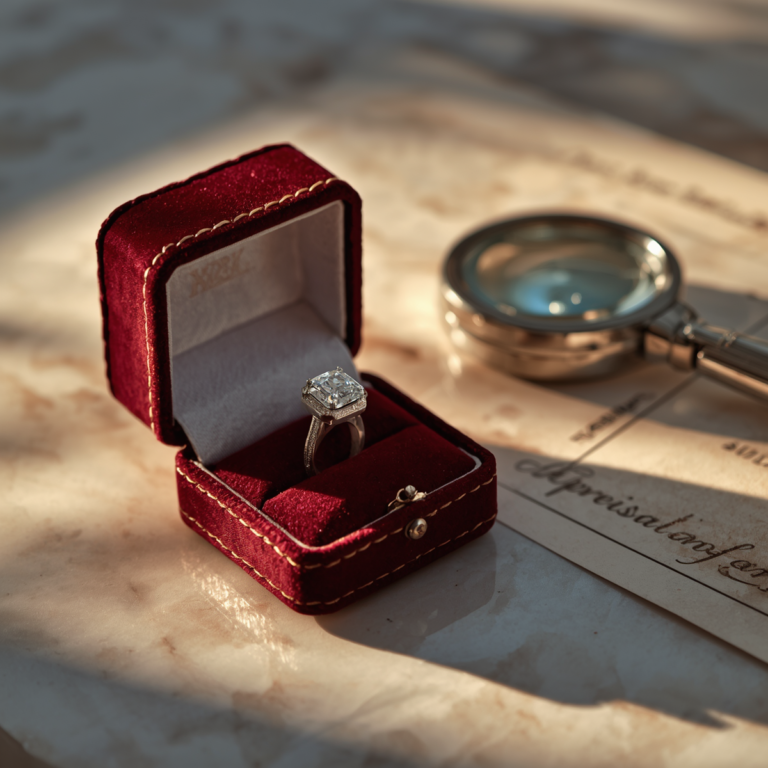
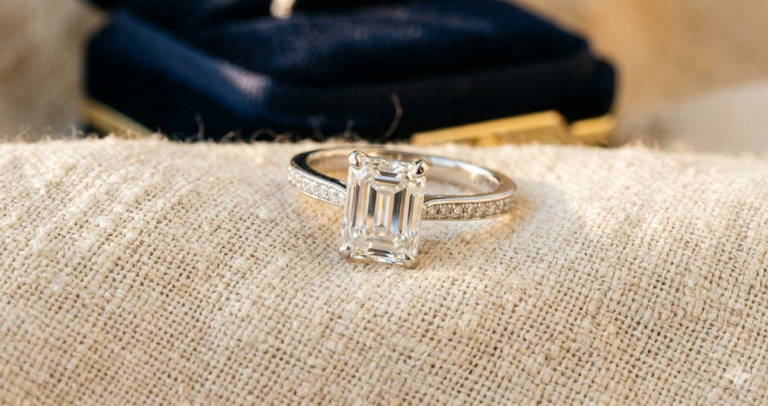
T here is a specific, quiet magic in the weight of a well-loved ring—the way the cool platinum warms against your skin or how a well-cut diamond catches the low amber light of a sunset. Fine jewelry is more than a luxury accessory; it is a vessel for memory, an investment in craftsmanship, and a legacy intended to span generations.
However, the brilliance of a gemstone is a fragile thing. Every day, our most cherished pieces battle a microscopic siege: the oily residue of a morning moisturiser, the sharp grit of garden soil, or the invisible chemical toll of a favorite perfume. Without a disciplined approach to stewardship, even the most magnificent stones can succumb to a dull, listless film.
As stewards of beauty, our goal at Veyrael is to ensure your collection remains as radiant as the day it left the velvet of its box. This guide explores the sophisticated science and tactile reality of jewelry maintenance, from the sanctuary of your home to the essential “spa” treatments only a professional can provide.
The Ritual of Daily Stewardship: “Last On, First Off”
The most effective way to protect your jewelry is a simple, rhythmic habit: it should be the final touch of your morning ritual and the first thing you remove when you return home.
Consider the tactile environment of your day. Chemicals found in common cosmetics, hairsprays, and lotions are often acidic or contain solvents that can pit gold alloys or erode the delicate polish of organic gems like turquoise or pearls. When you apply sunscreen or step into a hot shower, a thin, waxy film begins to form over your stones, essentially “suffocating” the light before it can reach the facets.
The Elements to Avoid
To preserve the structural integrity of your pieces, avoid the following environmental hazards:
| Element / Hazard | Effect on Jewelry | Most Affected Materials |
|---|---|---|
| Chlorine and Salt Water | Weakens metal mountings, can cause stress corrosion and loosen stones | Gold and platinum settings, prongs, fine mountings |
| Manual Labor and Impact | Bends prongs, jostles settings, increases risk of stone loss | Rings and bracelets worn during gardening, weightlifting, cleaning |
| Extreme Light and Heat | Bleaches color, strips natural moisture, leads to “crazing” and cracks | Opals, pearls, ivory, shell cameos |
The Atelier at Home: Safe Cleaning Methods
While the allure of a professional ultrasonic cleaner for under $150 is tempting, these machines use high-frequency sound waves that can be violent for certain stones. The vibration can shake gems loose or even shatter stones with internal fractures, such as emeralds.
For routine maintenance, the safest method is often the simplest.
The Gentle Bath (Best for Diamonds, Sapphires, and Rubies)
Diamonds are the hardest natural substance, yet they have a strange affinity for grease. To restore that “fire” you first fell in love with:
The Solution: Mix a few drops of mild, unscented dish soap into a bowl of lukewarm water. Avoid boiling water, which can cause thermal shock to stones like emeralds.
The Soak: Allow your pieces to rest in the bath for 15–20 minutes. You will see the water turn slightly cloudy as oils and debris dissolve.
The Detail Work: Using a brand-new, soft-bristled toothbrush, gently navigate the small crevices under the stone’s gallery. This is where lotion accumulates, blocking the light.
The Rinse: Rinse in a separate bowl of clean water—never over an open drain.
The Finish: Pat dry with a lint-free microfiber cloth. Avoid paper towels, as their wood-pulp fibers can actually leave microscopic scratches on highly polished gold.
The Delicate Touch (For Pearls, Opals, and Emeralds)
These stones are the “introverts” of the gemstone world—they require a soft hand and a specialized environment.
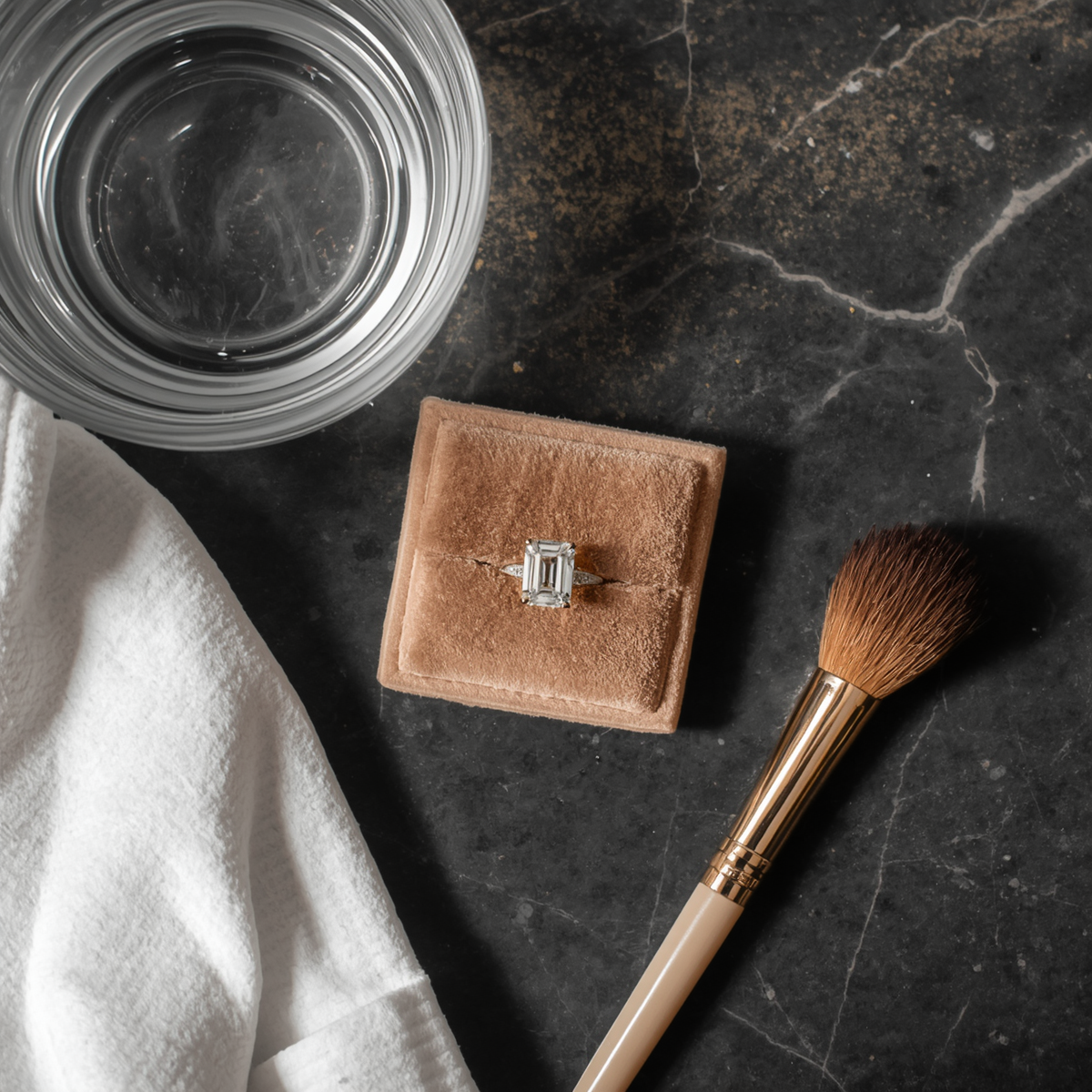
Pearls: Never submerge a strand of pearls. The silk thread can stretch and absorb dirt, rotting from the inside out. Instead, use a clean makeup brush dipped in soapy water to gently wipe each bead.
Emeralds and Opals: These stones often contain water within their crystal matrix. If they dry out, they lose their luster or crack. Some experts suggest a tiny drop of cod liver oil every few months for antique pieces to maintain this moisture, though modern emeralds are best handled by simply wiping them with a damp cloth.
Luxury Storage: Architecture of the Jewel Box
Proper storage is the silent partner in jewelry care. When pieces are jumbled together in a drawer, the harder stones—like diamonds—will inevitably scratch the softer gold or silver of their neighbors.
A premium storage strategy involves:
Separation: Use a fabric-lined case with individual compartments. For necklaces, hanging hooks are superior to trays, as they prevent the frustrating “kink” in a chain that often requires a professional repair.
Atmospheric Control: Store your collection in a dry, temperature-controlled space away from radiators or air conditioning units.
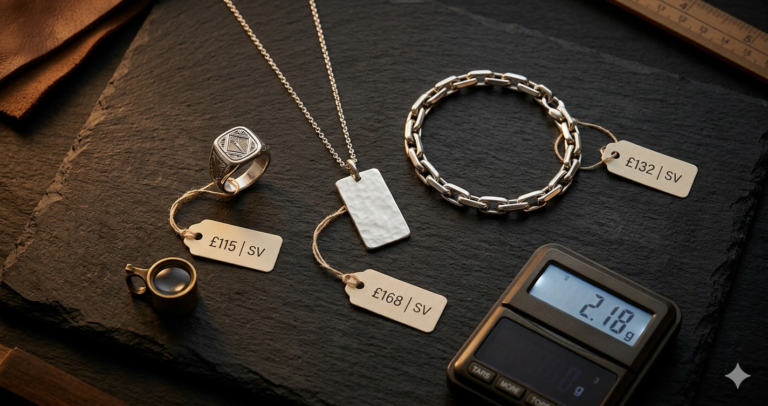
Tarnish Prevention: For sterling silver, use anti-tarnish bags or wrap pieces in soft tissue paper to slow the oxidation process.
The Professional “Spa” and Inspection
Even with meticulous home care, your jewelry requires a professional check-up every six to twelve months. Think of this as a structural audit for your investment.
A professional jeweler will examine your pieces under a loupe to check for “stone wiggling” or thinned prongs. At Veyrael, we recommend a “Spa Treatment” once a year, which includes a professional polish to remove surface scratches. For white gold, this often includes a “rhodium dip”—replating the piece in a rare metal from the platinum family to restore its brilliant, icy white finish.
Practical Buying Advice: Choosing for Longevity
When adding to your collection, consider the “wearability” of the stone’s setting.
Prong Check: Ensure the prongs are substantial and hug the stone tightly.
Metal Choice: Platinum is naturally white and denser than gold, making it an excellent choice for engagement rings that will face daily friction.
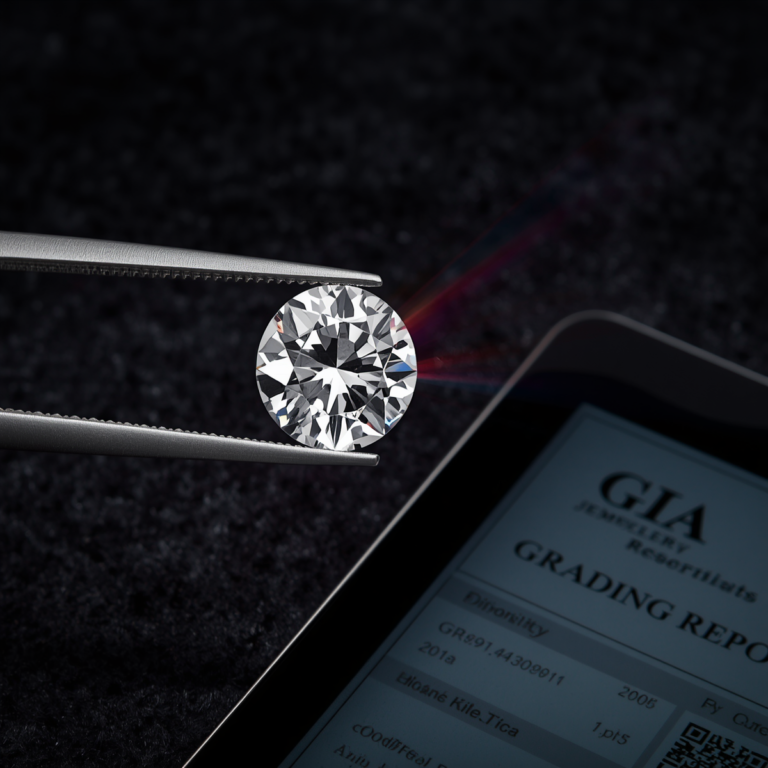
Documentation: Always ask for a GIA report when purchasing high-value gemstones. This document acts as a “passport,” detailing any treatments the stone has undergone, which dictates how you must care for it later.
Frequently Asked Questions
-
Can I use toothpaste to clean my wedding band?
Absolutely not. While a popular “home remedy,” toothpaste is highly abrasive and can dull the finish of your gold or scratch softer gemstones. -
Is Windex safe for diamonds?
Some industry experts suggest Windex for a quick sparkle on diamonds and hard metals. However, many jewelers warn that the ammonia can be too harsh for certain alloys and delicate gems over time. When in doubt, stick to mild dish soap. -
How often should I have my pearls restrung?
If you wear them frequently, once a year is the gold standard to prevent the silk thread from snapping. -
Does silver need to stay dry?
While silver can get wet, moisture accelerates tarnishing. Always dry your silver thoroughly with a soft cloth after any exposure to water.