Veyrael · Silver Buying Guide · 2025
Wholesale Sterling Silver Jewelry: The Insider Pricing Secrets Every Buyer Must Know
T urn a sterling silver ring over in your hand — feel the cool, substantial weight of it, the crisp edges of every detail, the way it catches light even before it finds a finger. Now imagine seeing that exact same ring priced at $30 in one boutique and $90 in the shop next door. Same metal. Same craftsmanship. Same stone. Different number on the tag.
If you have ever wondered how that happens — or worse, if you have ever suspected you were the one paying the $90 — this guide is for you. Whether you are a retailer sourcing wholesale sterling silver jewelry for the first time, a buyer evaluating a vendor, or simply a consumer who refuses to overpay, understanding the true cost structure behind every silver piece is the most powerful tool you can carry into any negotiation.
At Veyrael, we believe an educated buyer is a protected buyer. So let us walk through every cost layer that goes into a piece of wholesale sterling silver jewelry — and show you exactly where the markups happen.
“If the price offered is lower than the known cost of real sterling silver, walk away. Someone is either selling fake metal — or making you pay for it later.”
What Is Sterling Silver — and Why Does It Cost What It Does?
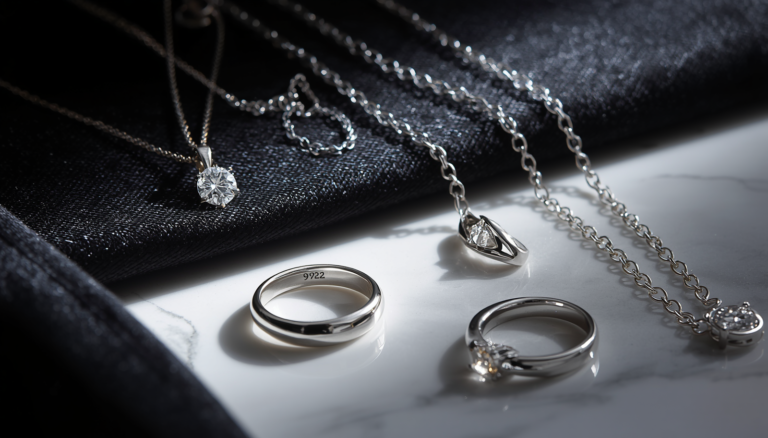
Sterling silver — stamped 925 — is an alloy composed of 92.5% pure silver and 7.5% other metals, typically copper. The copper addition gives sterling silver its structural integrity; pure silver alone is far too soft for wearable jewelry. That 925 stamp is your guarantee of authenticity and the foundation of every pricing conversation you will have with a wholesaler.
Because silver is a precious metal traded on global commodity markets, its price fluctuates daily. In 2025, silver prices surged significantly — jewelry prices rose approximately 42% as silver hit $40 per ounce and tariffs on Chinese and Italian imports raised wholesale costs across the board. Understanding this volatility is essential before you lock in a wholesale order.
The 8 Hidden Cost Layers Behind Every Silver Piece
The gap between the $30 ring and the $90 ring is not random. It is the result of eight distinct cost layers that every honest wholesaler builds into their pricing — and that every informed buyer should understand before placing an order.
| Cost Layer | Typical Impact on Price | Buyer’s Note |
|---|---|---|
| Silver spot price | Foundation of all pricing | Check live silver price before ordering |
| Labor & craftsmanship | Largest variable cost | Stone setting dramatically increases this |
| Additional materials | Doubles cost for pearls, rhodium | Rhodium is more expensive than silver itself |
| Shipping | ~10% of production cost | Higher for imported styles |
| Customs duties | 5–10% on imported pieces | Often invisible to end buyers |
| Price fluctuation | Varies daily at wholesale level | Lock in contracts when silver is lower |
| Business overhead | Salaries, rent, utilities, breakage | Covered in every price you pay |
| Seller profit | 2×–4× markup at retail | Legitimate — but negotiable at wholesale |
1. The Silver Spot Price — The Foundation of Everything
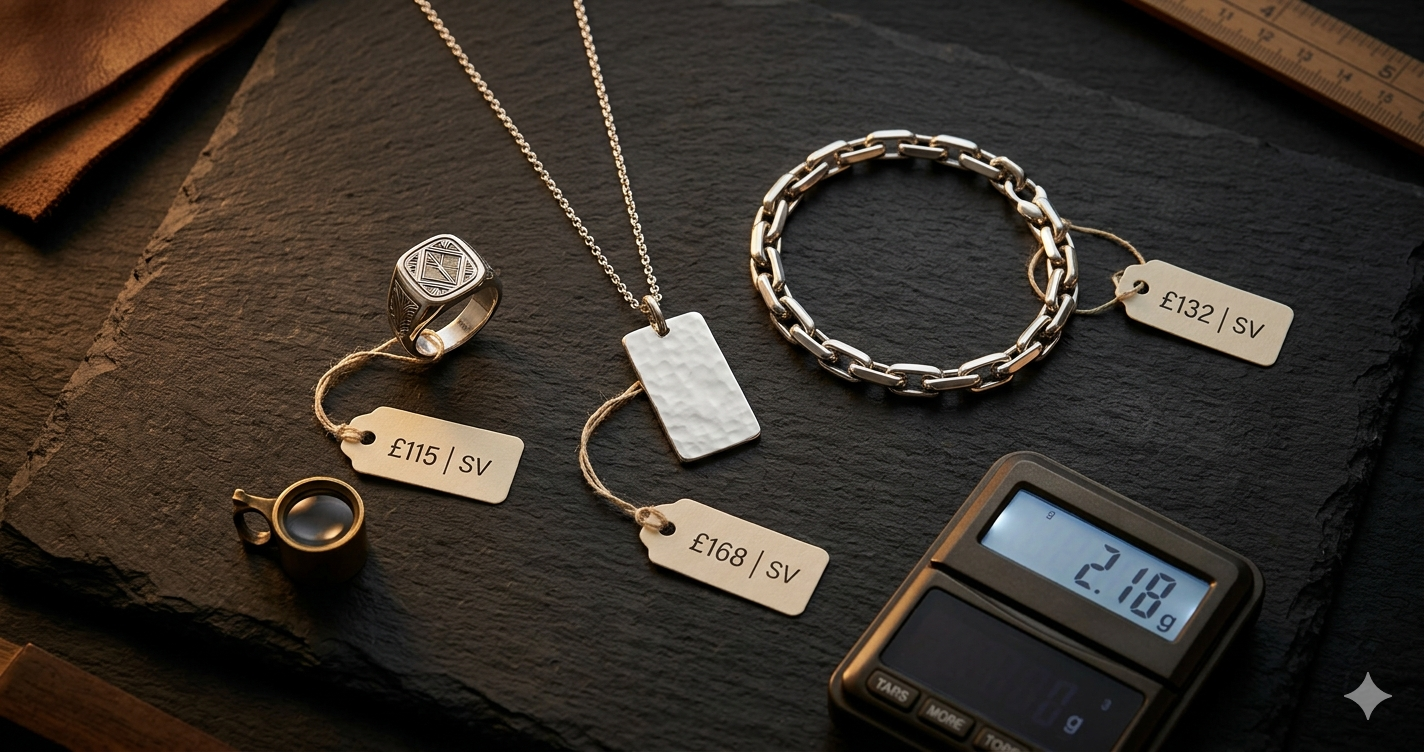
The starting point for pricing any piece of sterling silver jewelry is the current spot price of silver — what it costs per ounce on the global commodity market today. To calculate the raw material cost of any piece, divide the price per ounce by 31.1 (grams per troy ounce) to get the price per gram. A 5-gram wedding band at $0.30 per gram carries just $1.50 in raw silver cost. The remaining $28.50 of a $30 retail price? That is everything else on this list.
Veyrael Tip: Some wholesalers price sterling silver jewelry dynamically — the quote you receive today may be different from the one you get next week. Always check the live silver spot price before finalizing any wholesale order. Many reputable wholesale suppliers update their pricing based on the global silver market and will share current per-gram rates on request.
2. Labor and Craftsmanship — The Largest Variable
Turning raw silver into a finished piece of jewelry requires skilled, multi-stage labor: the metal must be melted, molded, cast, polished, and assembled. For pieces with stone settings — rings with pavé accents, pendants with gemstone halos, earrings with dangling drops — the setting labor alone can double or triple the base production cost. A hand-set piece from a skilled craftsman costs far more to produce than one stamped out by machine, and that difference should be visible in the quality of the finished piece.
3. Additional Materials — Pearls, Rhodium, and More
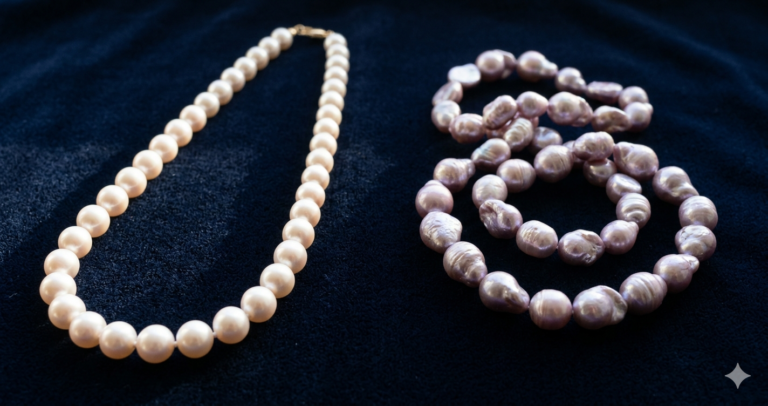
Many sterling silver pieces include materials beyond the metal itself — cultured freshwater pearls, cubic zirconia stones, rhodium plating, enamel accents, or gold vermeil detailing. Each of these adds meaningfully to the cost. A silver pearl dangle earring set can cost twice as much to produce as a plain silver pair, simply because of the pearl and the rhodium finish. Rhodium, worth noting, is significantly more expensive per ounce than silver — and is what gives white gold and silver jewelry that brilliant, tarnish-resistant shine.
4 & 5. Shipping and Customs Duties — The Invisible Tax
A significant portion of the world’s wholesale sterling silver jewelry is manufactured in Asia, Italy, and Mexico — locations chosen for their raw material access, specialized craftsmanship, or lower labor costs. Transporting those pieces internationally adds shipping costs that typically run 10% of the production price. On top of that, imported jewelry incurs customs duties that can add another 5–10% before the piece even reaches your door. Most retail consumers never see these line items — but they are baked into every price tag.
In 2025, tariffs on both Chinese and Italian jewelry imports increased significantly, pushing wholesale costs higher and contributing to a 42% average price increase in sterling silver jewelry across the market. This is why many retailers who sourced aggressively in previous years found themselves renegotiating contracts in 2025.
6. Price Fluctuation — Why Your Quote Changes Month to Month
Unlike clothing or electronics, sterling silver jewelry pricing is tied to a live commodity market. Serious wholesalers adjust their pricing in line with the silver spot price — sometimes daily. This means a purchase order placed in January may price out differently in March, even for identical pieces. If you are planning a large wholesale buy, ask your supplier whether they offer fixed-price contracts for a specific window, or whether their pricing is spot-linked.
7 & 8. Business Overhead and Profit — What You Are Actually Paying For
Like any business, a jewelry wholesaler must cover salaries, warehouse rent, utilities, insurance, and breakage before turning a profit. These overhead costs are distributed across every unit sold. And then there is profit — the margin that keeps the business running and investing in better quality and selection. Wholesale prices are the bulk rates that jewelry stores get from manufacturers and suppliers, while retail prices are what shoppers actually pay — that gap between wholesale and retail covers store expenses and keeps the business profitable.
Sterling silver jewelry typically carries a retail markup of 2× to 4× the wholesale cost, with basic silver rings and studs at 2×–3× and gemstone-enhanced or gold-plated pieces pushing to 3×–4×. Understanding this gives you a realistic benchmark when evaluating whether a deal is genuine — or too good to be true.
How to Spot a Fake — and Avoid Wholesale Scams
Now that you understand the true cost structure of sterling silver jewelry, you have a powerful defense against the most common wholesale scam: artificially low pricing on fake or plated silver sold as genuine 925.
Here is what to watch for:
- Prices below the cost of real silver — If a vendor is offering 5-gram rings for less than the combined cost of materials, labor, shipping, and duties, they are either selling inferior metal or cutting corners you will discover after the sale. Walk away.
- No 925 hallmark — Every authentic sterling silver piece should carry a 925 stamp. Ask to see it before any wholesale commitment.
- No return or replacement policy — Reputable wholesalers stand behind their product. Vague or nonexistent return terms are a red flag.
- No company history or verifiable references — Vendors with no traceable background, no “about” information, and no client references should be treated with caution regardless of how attractive their pricing appears.
- Inconsistent quality across samples — Order samples before committing to any large lot. Compare finish quality, stone settings, and weight consistency. A reputable wholesaler will welcome this.
Veyrael Tip: Use our Live Jewelry Loupe to inspect any piece before purchasing — check for hallmarks, evaluate stone settings, and assess surface finish quality directly from your phone camera. For understanding stone proportions and carat-to-size relationships, try our Diamond Size Visualizer.
Retail Markup Guide: What Buyers and Sellers Should Know
Healthy retail margins in sterling silver jewelry come from disciplined landed-cost thinking, category-aware pricing, and supplier choices that support repeatability — not simply applying a blanket multiplier to wholesale cost. Here is a practical reference for both sides of the transaction:
| Jewelry Type | Typical Markup | Example |
|---|---|---|
| Basic silver rings, studs, pendants | 2× – 3× | $10 wholesale → $20–$30 retail |
| Gemstone-set or rhodium-plated pieces | 3× – 4× | $20 wholesale → $60–$80 retail |
| Branded or exclusive collections | Up to 5× | $30 wholesale → up to $150 retail |
Veyrael Tools — Inspect Before You Buy
Never buy a piece of jewelry blind. Use our free tools to inspect quality and visualize proportions before committing.
- 💎 Live Jewelry Loupe — Inspect hallmarks, stone settings, and surface finish in real time using your phone
- 🔍 Diamond Size Visualizer — See how stones appear on the hand at different carat weights before you commit
Frequently Asked Questions
-
Why does sterling silver jewelry vary so much in price between retailers?
Because retail pricing adds multiple layers on top of wholesale cost — including overhead, shipping, customs duties, and profit margin. Two retailers can buy from the same wholesaler and price identically different pieces based on their location, brand positioning, and cost structure. -
How do I verify a piece is real 925 sterling silver?
Look for the 925 hallmark stamped on the piece — usually inside a ring band, on a clasp, or on the back of a pendant. You can also use our Live Jewelry Loupe to inspect the hallmark closely. A reputable seller will always be able to confirm the stamp and provide documentation. -
Does silver price really change daily?
Yes. Silver is a precious metal traded on commodity exchanges worldwide. Its price fluctuates every trading day based on supply, demand, currency strength, and global economic conditions. Wholesale jewelry priced by weight is directly affected. -
Is a lower price always a red flag?
Not always — but context matters. A lower price due to bulk purchasing, direct sourcing, or lower overhead is legitimate. A lower price that falls below the known cost of materials, labor, and shipping is almost certainly a sign of counterfeit metal or bait-and-switch quality.
Continue Reading on Veyrael
- → Loose Cubic Zirconia Wholesale Buying Guide
- → The Timeless Mystique of Sterling Silver Jewelry: A Savvy Collector’s Guide to Quality and Craftsmanship
- → The Connoisseur’s Guide to Handcrafted Silver: How to Buy Genuine Artisan Jewelry Online
- → Diamond Size Visualizer — See Stone Sizes Before You Buy
The Bottom Line
The price of a sterling silver piece is never arbitrary — it is the sum of eight transparent, traceable cost layers, from the silver commodity price to the seller’s margin. When you know what those layers are and roughly what they should cost, you stop being a vulnerable consumer and start being a confident buyer.
The best wholesale deals are not the cheapest ones — they are the ones where every cost layer is honest, the quality is consistent, and the supplier treats you like a long-term partner rather than a one-time transaction. That is the standard Veyrael holds, and the one we encourage every buyer to demand.