The Connoisseur’s Guide to Handcrafted Silver: How to Buy Genuine Artisan Jewelry Online
In an era dominated by disposable trends, handcrafted silver jewelry offers something increasingly rare: permanence, character, and human touch.
As we move through 2026, the metal’s stabilized pricing—contrasted against gold’s historic highs—has transformed sterling silver into the definitive choice for “affordable luxury”.
But for the discerning collector, the allure isn’t found in mass-produced mall kiosks; it lies in the unique soul of handcrafted silver jewelry.
Buying artisan pieces online offers a world of unparalleled variety, yet it requires a keen eye to distinguish a future heirloom from a silver-plated disappointment.
At Veyrael, we believe that every purchase should be backed by education. This guide will walk you through the nuances of silver purity, the ethics of gemstone enhancements, and the rigorous vetting process required to find a reputable digital atelier.
1. Defining the Artisan Standard: Handcrafted vs. Manufactured
The first step in your journey is recognizing the chasm between commercial manufacturing and true artisan craftsmanship. Mass-produced jewelry is often cast in thousands, losing the “unique” character that defines high-end accessories. In contrast, handcrafted jewelry is the result of skilled artisans who pour individual pride and precision into every weld and setting.
When you buy from an artisan, you aren’t just buying a ring; you are investing in a piece of art that is likely to become a generational heirloom. Reputable sources for these pieces are often established businesses that have maintained an online presence for at least five years and have a legacy spanning decades.
2. Navigating Purity: 925 Sterling vs. 999 Fine Silver
One of the most common pitfalls for online shoppers is a lack of clarity regarding silver purity. You will likely encounter two primary types:
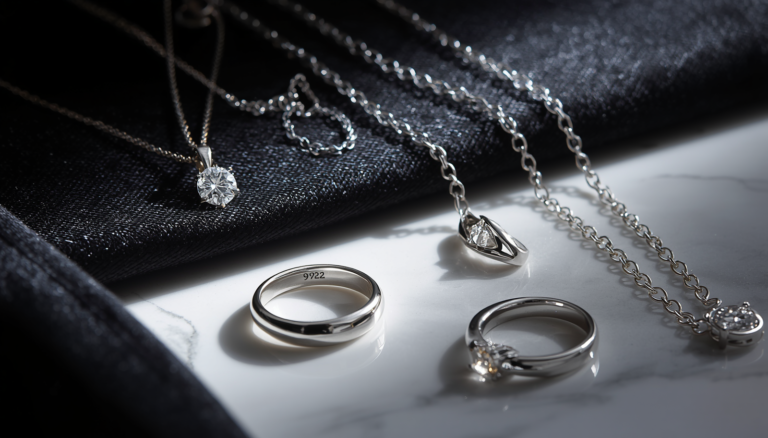
925 Sterling Silver: This is the global gold standard for jewelry. It consists of 92.5% pure silver mixed with 7.5% alloy (typically copper) to provide the necessary strength for daily wear. Without this alloy, the jewelry would be too malleable for intricate designs.
999 Fine Silver: Boasting 99.9% purity, this metal is incredibly lustrous but exceptionally soft. While it sounds superior, fine silver is often a poor choice for rings or bracelets because it scratches easily and can warp under minimal pressure.
999 Fine Silver: Boasting 99.9% purity, this metal is incredibly lustrous but exceptionally soft. While it sounds superior, fine silver is often a poor choice for rings or bracelets because it scratches easily and can warp under minimal pressure.
Expert Insight: Always look for the “925” or “Sterling” hallmark in product photography. If a seller cannot provide a clear image of this stamp, it is a significant red flag.
3. The Customization Advantage: Beyond “Off-the-Shelf”
The true luxury of the artisan market is personalization. Because these pieces are made to order, you are not restricted to standard sizes or lengths. From adjusting a necklace’s drop to selecting specific gemstones for a pendant, customization ensures your jewelry fits your vision perfectly.
However, this bespoke service comes with a responsibility: Measuring is non-negotiable. Most customized handcrafted pieces are non-returnable.
- For Rings: Use a string to measure the widest part of your finger (the knuckle). Compare the length against the site’s specific size chart. If you fall between sizes, always opt for the larger fit.
- For Chains: Use string to simulate different lengths (choker vs. princess) to see how the piece interacts with your neckline before ordering.
4. Gemstone Intelligence: Enhancements and Ethics
Luxury accessories often feature vibrant gemstones, but the online market requires you to be a mini-gemologist.
The Reality of Color Enhancements
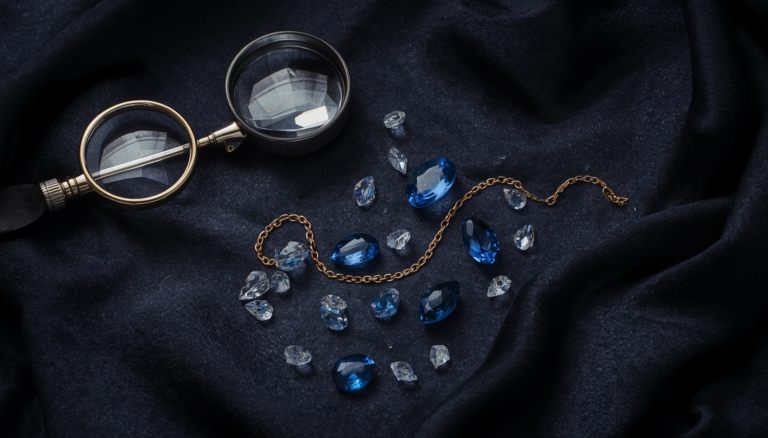
Do not be alarmed if an artisan discloses that a stone has been heated or irradiated. Naturally colored rubies, sapphires, and topaz are exceedingly rare; therefore, color enhancement is a standard and accepted industry practice to ensure the stones are vibrant enough for high-end jewelry. A reputable artisan will always be transparent about whether a stone is natural or enhanced.
Care Considerations for Porous Stones
Consumer education is vital for longevity. For example:
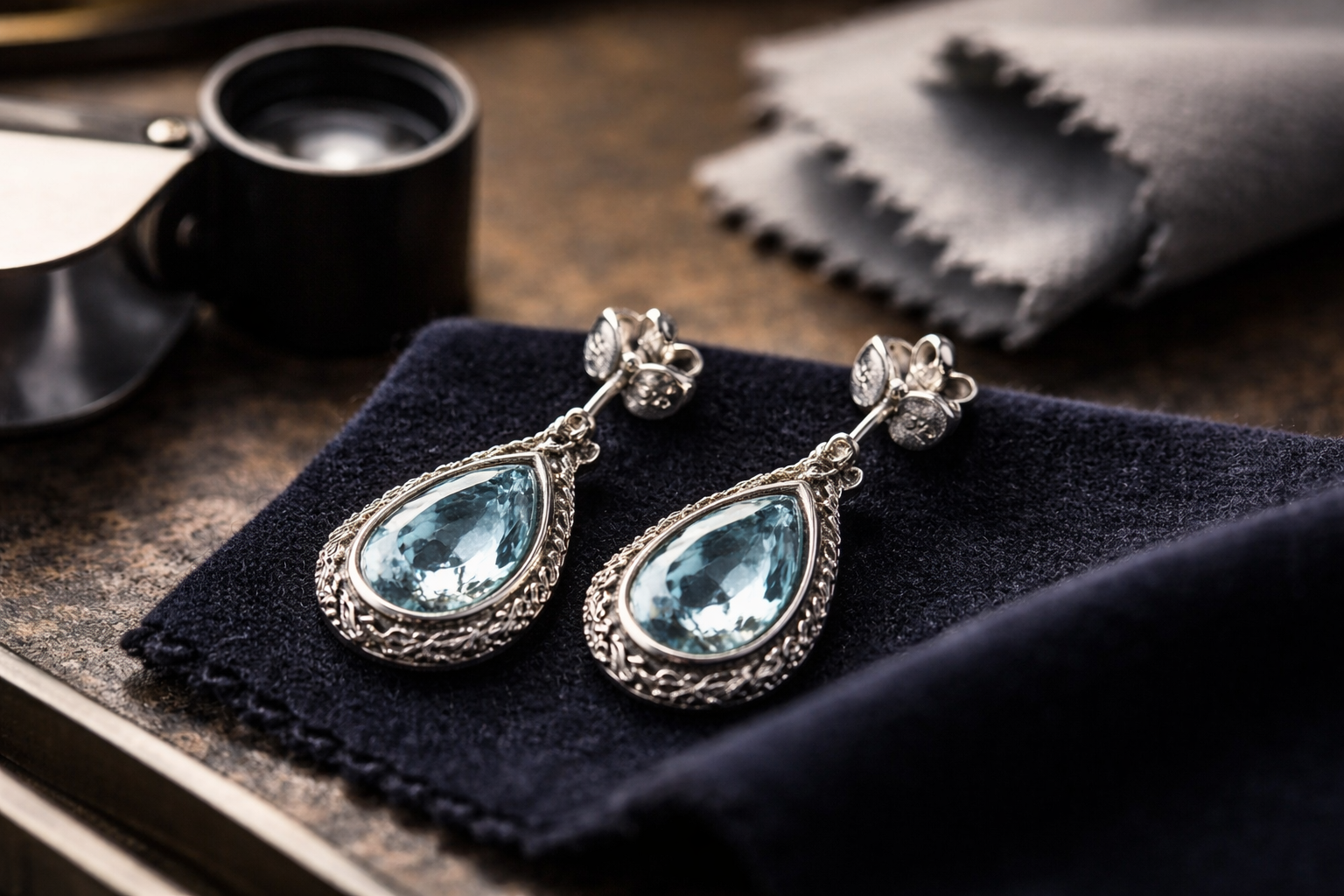
- Aquamarine can typically handle mild detergent but may be shattered by ultrasonic cleaners.
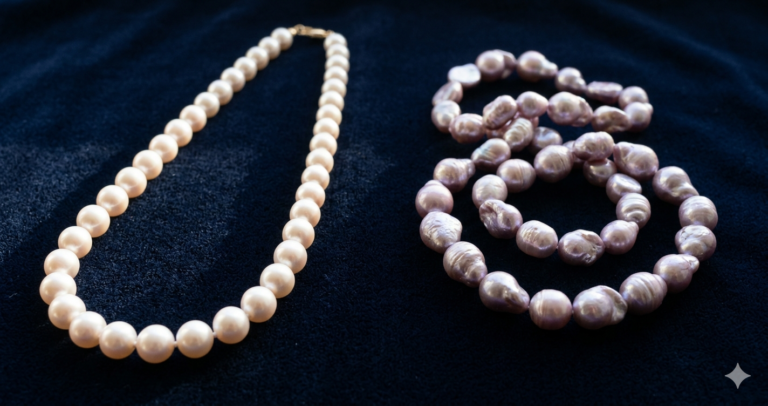
- Pearls and Turquoise are highly porous. They can absorb liquids, perfume, and oils, leading to permanent staining or discoloration.
5. Identifying Reputable Online Sources
To avoid overpriced or low-quality imitations, you must vet the seller’s digital footprint. Safe online shopping is built on transparency.
Red Flags to Avoid
- Unrealistically Low Prices: If a “925 sterling” necklace is priced under $20, it is likely silver-plated brass.
- Opaque Policies: Avoid stores that lack clear return, refund, and exchange policies.
- Missing Credentials: Credible sellers prominently display contact information, physical addresses, and registration numbers.
The “Trust” Checklist
Before clicking “checkout,” verify if the store offers:
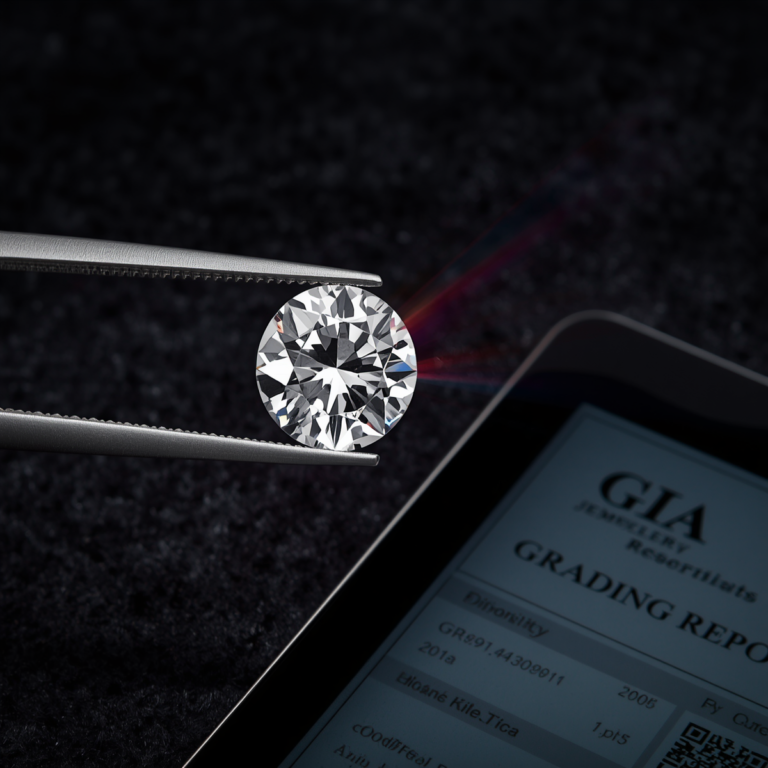
1. Authenticity Certificates: Legit stores often include these with your order.
2. Positive Peer Reviews: Look for feedback regarding the piece’s weight and how it feels “to the touch”.
3. Secure Gateways: Ensure the site uses encrypted payment methods.
6. The Veyrael Authenticity Tests: DIY Verification
Once your silver arrives, you can verify its authenticity with these simple at-home tests:
- The Magnet Test: Real silver is not magnetic. If your “sterling” piece sticks to a magnet, it is a fake.
- The Ice Test: Silver is a world-class heat conductor. Place an ice cube on your jewelry; if it melts almost instantly, the thermal conductivity suggests genuine silver.
- The Weight Test: Genuine silver has a distinct heft. If the piece feels light like plastic or tin, it may be a counterfeit.
7. Preservation: Keeping the Luster Alive
Tarnish is a natural chemical reaction (oxidation), not a sign of poor quality. To keep your handcrafted silver shining for years, follow these anti-tarnish protocols:
- The “Last On, First Off” Rule: Apply perfumes and lotions before putting on your jewelry to avoid chemical reactions.
- Wear It Often: Interestingly, the natural oils in your skin can actually help prevent tarnish.
- The Aluminum Foil Hack: For deep cleaning, line a bowl with aluminum foil, add hot water, baking soda, and salt. A few minutes in this solution will transfer tarnish from the silver to the foil.
FAQ Section
Q: Can I wear my handcrafted silver in the shower? A: It is best to remove it. Chlorine and chemicals in tap water can accelerate tarnishing.
Q: Why is my 925 silver turning my skin green? A: This usually happens when the 7.5% alloy (often copper) reacts with your skin’s acidity or lotions. It does not necessarily mean the silver is fake, but it suggests you should keep the area dry and clean.
Q: Is “Silver-Filled” the same as “Sterling Silver”? A: No. Silver-filled or silver-plated items only have a thin layer of silver over a base metal. Only “925 Sterling” or “999 Fine” are considered solid silver.
To protect your artisan pieces long‑term, see The Art of the Heirloom: A Masterclass in Jewelry Care and Gemstone Longevity.Conclusion:
True handcrafted silver jewelry carries the fingerprint of its maker—small imperfections, careful detailing, and a character that mass production can never replicate. In a world chasing speed, artisan silver remains one of the few luxuries still shaped by human hands.
Bibliography & Source Attributions
- Dloria (Hollywood Sensation®): Provided tips on reputable sourcing, customization, and gemstone care.
- Trulijewelry: Contributed insights on the distinction between artisan and manufactured jewelry and gemstone enhancement standards.
- Silver & Gem: Offered the comprehensive guide on online safety, red flags, and verification of seller credentials.
- Rubyard: Supplied 2026 trend data, the “925” vs. “999” comparison, and practical at-home testing methods.