Veyrael · Gemstone Buying Guide
Loose Cubic Zirconia Buying Guide: How to Choose High-Quality CZ Stones at Wholesale Prices
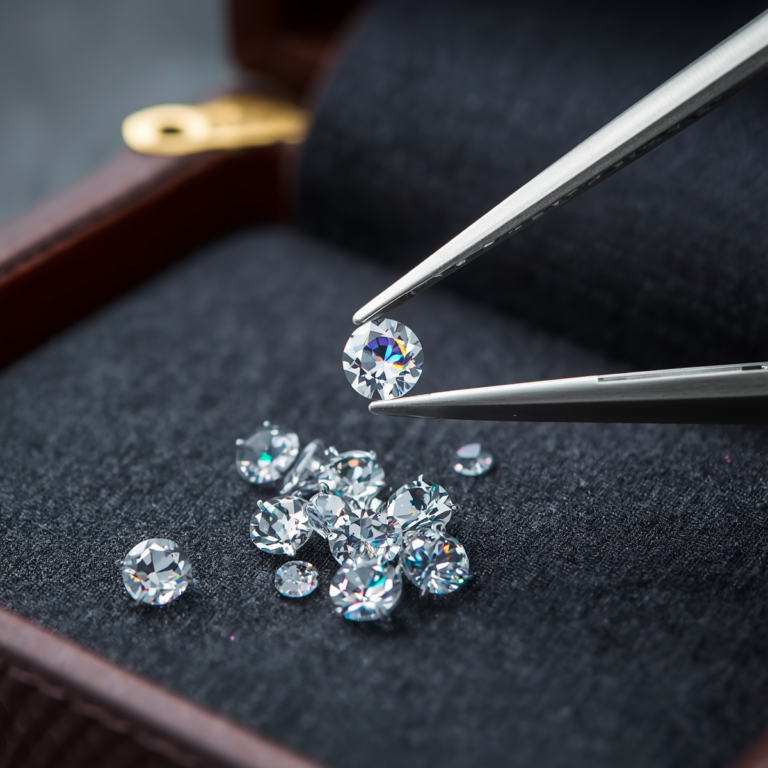
T here’s a particular kind of anticipation that comes with opening a parcel of new stones — the soft rustle of tissue, the cool slide of tiny facets against your fingertips, and then that first flash of light. For many jewelers and jewelry lovers, that flash doesn’t come from mined diamonds anymore, but from something far more accessible: high-grade loose cubic zirconia.
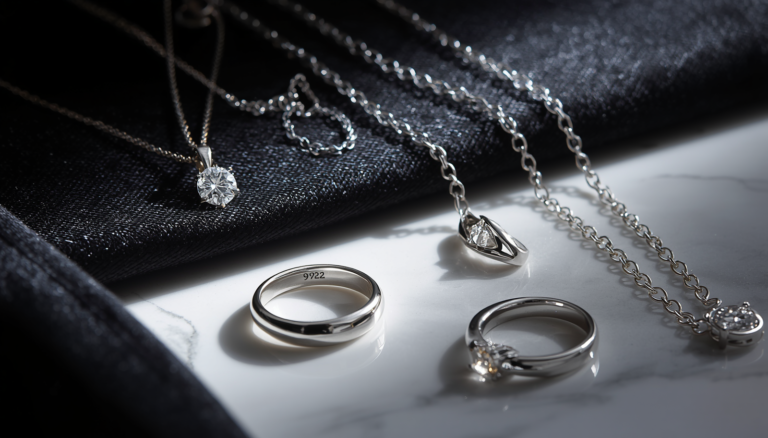
If you design earrings, rings, necklaces, or pendants, loose CZ stones are likely the quiet backbone of your work. When chosen well, they deliver diamond-like brilliance at a fraction of the cost. When chosen poorly, they can look flat, cloudy, or cheap — and your finished pieces will feel that way too.
This guide walks you through how to source loose cubic zirconia at wholesale prices without sacrificing quality, so you can create jewelry that feels luxurious, looks luminous, and still respects your budget.
Why Loose Cubic Zirconia Is the Modern Jeweler’s Essential
Cubic zirconia (CZ) is a lab-created crystalline material engineered to mimic the look of diamonds. With a hardness around 8–8.5 on the Mohs scale and a high refractive index, well-cut CZ offers impressive sparkle and fire — especially in higher grades.
For jewelry makers and buyers alike, loose CZ offers several advantages:
- Affordability with impact: You can achieve a bold, diamond-like look without the price tag of natural or lab-grown diamonds, making statement pieces more accessible.
- Ethical and predictable sourcing: Because CZ is fully lab-created, it avoids the environmental and human-rights concerns associated with some mined stones.
- Design freedom: Loose stones let you choose the exact cut, size, and color you want, rather than being limited to pre-set jewelry.
Imagine a pair of 8 mm cushion-cut CZ studs: cool weight in the palm, crisp edges against your skin, and a clean, prismatic flash when they catch the light. That sensory experience is what your clients remember — not the invoice.
Understanding CZ Quality Grades from A to AAAAA
Unlike diamonds, which are graded by standardized systems like the GIA’s 4Cs, cubic zirconia is typically graded on a simpler A–AAAAA scale.
CZ Grading Overview
| Grade | Typical Use | Visual Quality & Notes |
|---|---|---|
| A / AA | Costume, embellishment, craft work | May appear slightly cloudy; less precise cutting |
| AAA | Mid-range fashion and everyday jewelry | Good brilliance; minor polish marks under magnification |
| AAAA | Better-quality fashion and bridge jewelry | Strong sparkle; more consistent cutting and clarity |
| AAAAA (5A) | High-end, luxury-inspired jewelry | Maximum fire, excellent symmetry, virtually diamond-like |
What Quality Level Should You Choose?
For premium collections or signature pieces: Opt for AAAAA (5A) stones. These are the closest to diamond-like performance and are ideal for engagement-style rings, heirloom-inspired designs, and luxury accessories.
For everyday, mid-range lines: AAA or AAAA can be a smart balance of cost and beauty, especially for smaller accent stones or pavé work.
For embellishment or non-fine applications: A or AA may be sufficient for costume pieces, embroidery, or decorative craft projects where intense brilliance is less critical.
Veyrael Note: If your brand promises “fine jewelry aesthetics without the fine jewelry price,” your default should be at least AAA, with 5A reserved for hero pieces.
How to Choose a Trustworthy Wholesale CZ Supplier
Finding a supplier is easy. Finding one you can trust — who delivers consistent quality, accurate grading, and fair pricing — is the real work.
1. Look at Time in Business and Reputation
A supplier that has been operating for a decade or more has had time to refine their cutting, quality control, and customer service. Long-standing wholesalers of loose cubic zirconia often specialize in AA–AAAAA grades and understand the needs of both independent designers and larger manufacturers.
Red flags to watch for:
- No company history or “about” information
- Inconsistent reviews or frequent complaints about stone quality
- Unclear return or replacement policies
2. Evaluate Selection: Shapes, Sizes, and Colors
A serious CZ wholesaler should offer:
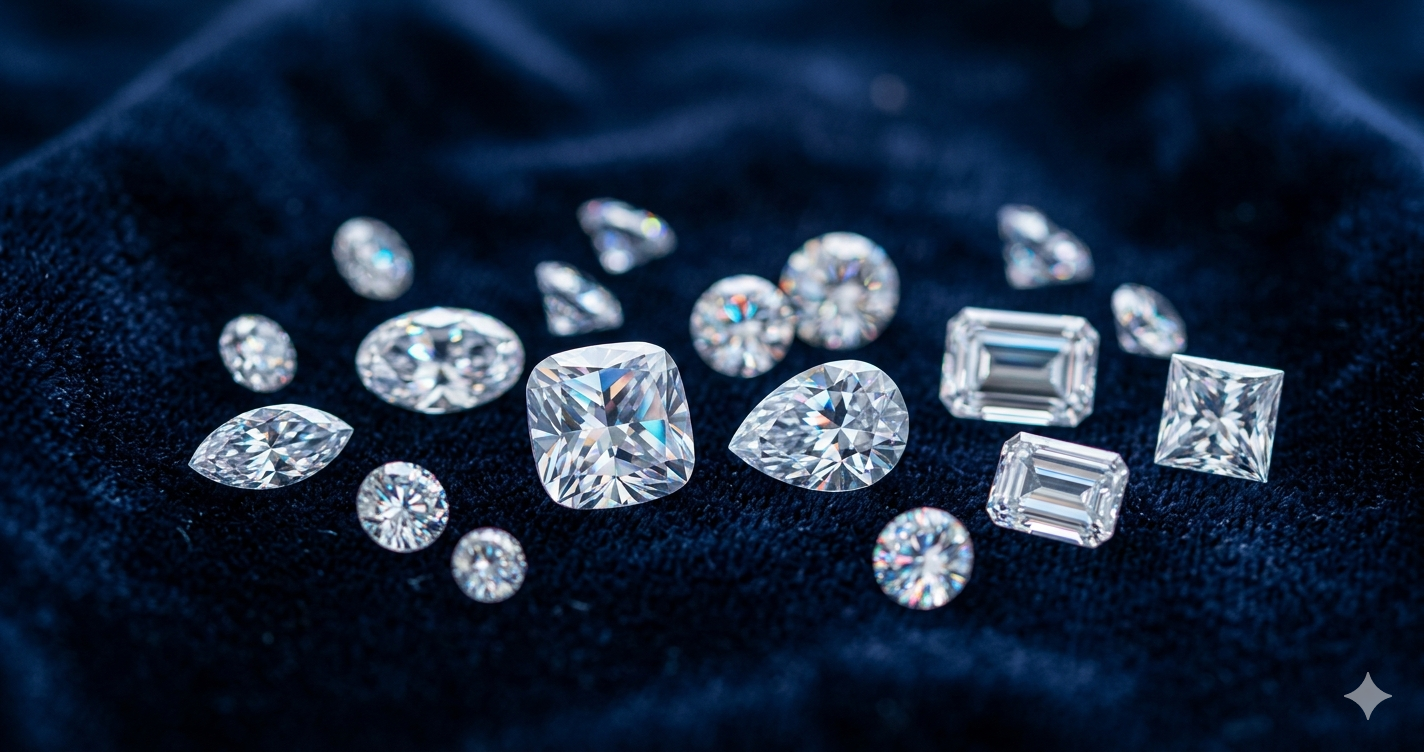
- Multiple shapes: Round, princess, cushion, emerald, oval, pear, marquise, heart, trillion, radiant, Asscher, and more.
- A wide size range: From tiny melee (around 1 mm) for pavé to large 10–16 mm stones for cocktail rings and pendants.
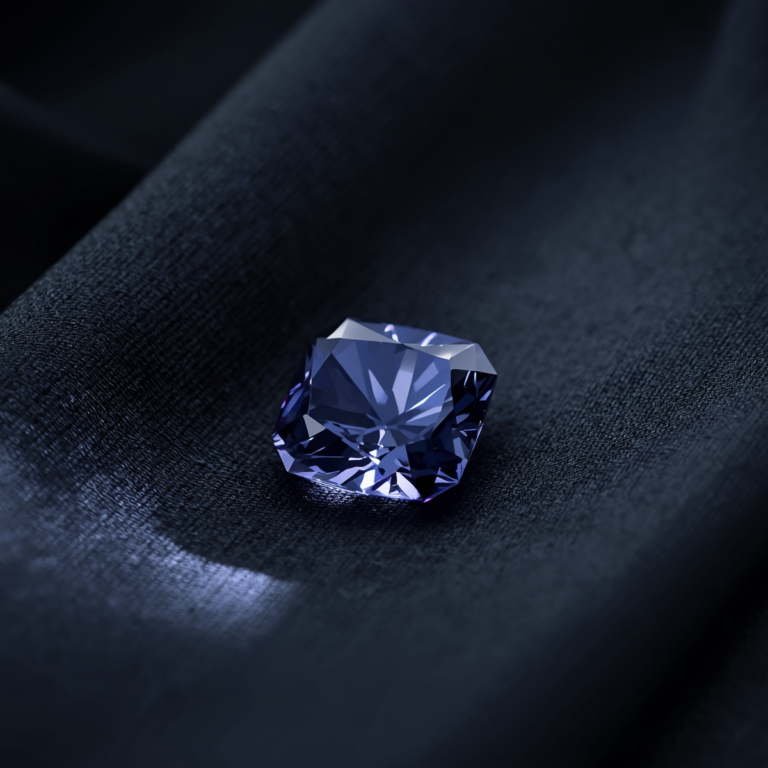
- Color variety: Classic white, plus shades like amethyst, aqua, champagne, citrine yellow, emerald green, garnet, lavender, peridot, pink, tanzanite, and violet.
A broad catalog lets you build cohesive collections — matching center stones with accent stones, or creating full color stories — without hopping between multiple vendors.
3. Check Transparency in Pricing and Product Data
For online wholesale, clarity is everything. Look for:
- Clear product descriptions: Grade (e.g., 5A), shape, size, color, and whether stones are calibrated.
- Visible lot sizes and pricing: For example, “5A, 1 mm round, 500-piece lot” up to “5A, 10 mm round, 10-piece lot,” all on one page so you can compare cost per stone at a glance.
- Technical specs where relevant: Hardness, refractive index, dispersion, and suitability for casting or specific setting techniques.
If you have to chase basic information through emails, that’s a sign the supplier may not be organized enough for long-term partnership.
Shapes, Sizes, and Colors: Building a Versatile CZ Inventory
Think of your CZ inventory as a painter’s palette. The more thoughtfully you choose your “colors” and “brushes,” the more expressive your designs can be.
Essential Shapes for Most Jewelers
- Round brilliant: The workhorse. Ideal for solitaires, studs, halos, and pavé.
- Princess and cushion: Perfect for modern engagement-style rings and statement earrings.
- Oval, pear, and marquise: Elongated shapes that flatter the hand and create a sense of movement.
- Trillion, heart, and specialty cuts: Great for focal pendants or signature design elements.
Size Strategy: From Micro-Pavé to Statement Stones
| Size Range | Best Applications |
|---|---|
| 1–2 mm | Pavé bands, halos, and delicate accents |
| 3–5 mm | Everyday studs, stacker rings, and small pendants |
| 6–10+ mm | Center stones for engagement-style rings, cocktail rings, and bold pendants |
Many wholesalers offer calibrated sizes, which makes it easier to design around standard settings and to reorder consistently.
Playing with Color
- Soft pastels (lavender, aqua, champagne): Romantic, bridal, or vintage-inspired collections.
- Rich jewel tones (emerald, garnet, tanzanite): Evening wear, statement pieces, and high-impact designs.
- Unusual hues (padparadscha-inspired peach, vivid yellow): Signature collections that feel memorable and distinct.
Reading Pricing, Lots, and Closeout Deals Like a Pro
Wholesale pricing can feel like a maze — especially when you’re comparing suppliers across different countries and platforms.
Understanding Lot Structures
Suppliers often sell CZ in:
- Small lots: For example, 10–50 stones of larger sizes (8–10 mm).
- Medium lots: 100–200 stones in mid-range sizes.
- Bulk lots: 500–1,000+ stones in small sizes (1–2 mm), ideal for pavé and production runs.
Marketplace listings can show you typical price ranges per lot and per stone, helping you benchmark whether a quote is reasonable.
The Appeal — and Risk — of Closeout Deals
Closeouts can be a treasure hunt. You might find:
- A 1,000-piece lot of baguette-cut amethyst-colored CZ at a steep discount
- A few hundred pear-cut violet stones priced far below standard wholesale
These can be perfect for limited-edition collections or seasonal drops. Just be sure to:
- Confirm the grade (AAA vs 5A)
- Ask if the stones are first-quality or mixed-quality
- Verify that sizes are calibrated and consistent
Smart Buying Tips for Jewelry Lovers (Not Just Makers)
Even if you’re not a jeweler, understanding loose CZ helps you buy finished jewelry more confidently.
- Ask what grade of CZ is used: If a brand claims “premium CZ” but can’t specify AAA or 5A, be cautious.
- Look at the cut and setting: Well-cut stones should show crisp, symmetrical facets. Settings should hold stones securely without rough edges that catch on fabric.
- Compare sparkle in different lighting: Step outside the boutique or tilt your phone flashlight over the piece. High-grade CZ should still look lively, not dull or glassy.
For a deeper dive into how high-end CZ compares to diamonds in real-world wear, explore the Veyrael feature The Veyrael Guide to High-End Cubic Zirconia: Brilliance Beyond the Price Tag.
Veyrael Tools
Evaluating a piece online? Use our free tools to understand proportions, light performance, and how a stone might look on the hand before you buy.
- 💎 Veyrael Jewelry Loupe — Inspect any stone in real time using your phone camera
- 🔍 Veyrael Diamond Visualizer — See how different stone sizes appear on the hand before you commit
FAQ: Loose Cubic Zirconia and Wholesale Buying
-
Is cubic zirconia a real gemstone?
Cubic zirconia is a man-made crystalline material, not a natural gemstone like sapphire or emerald. It’s considered a diamond simulant — designed to look like a diamond, but with a different chemical composition. -
How long does cubic zirconia last?
With proper care, high-quality CZ can stay beautiful for years. Its hardness (around 8–8.5) makes it resistant to everyday wear, though it’s softer than diamond. Avoid harsh abrasives and store pieces separately to prevent scratching. -
Is 5A cubic zirconia worth the extra cost?
If you care about a truly diamond-like look — sharp brilliance, minimal visible flaws, and precise cutting — 5A is usually worth the premium, especially for center stones and signature pieces. -
Can I mix CZ with natural gemstones in one piece?
Absolutely. Many designers pair CZ accent stones with natural center stones, or vice versa, to balance cost and impact. The key is to match color and cut quality so the piece feels cohesive.