The Art of the Acquisition: Navigating the World of Wholesale Luxury Jewelry
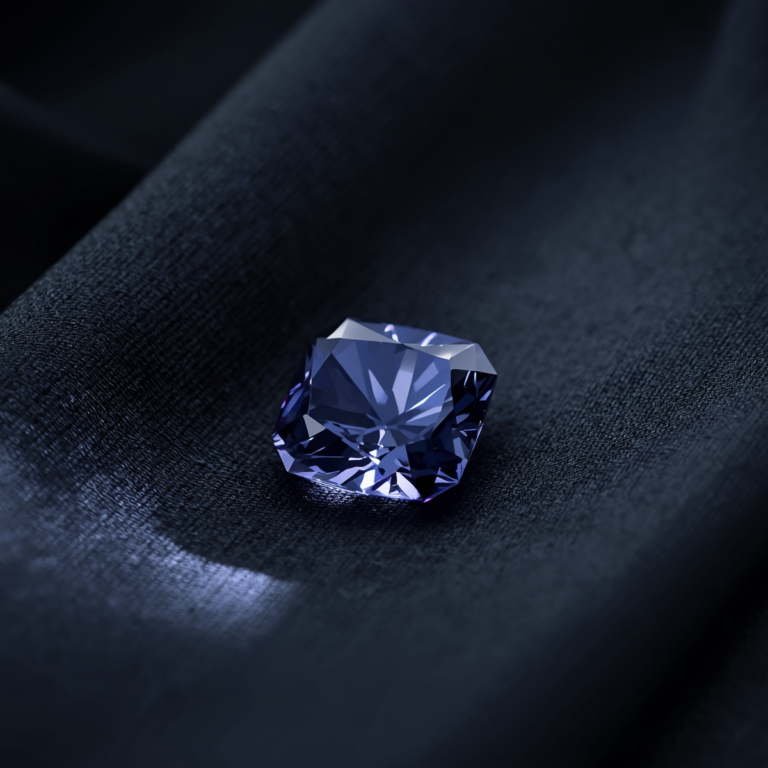
T he allure of a finely crafted piece of jewelry is timeless. Whether it is the rhythmic dance of light within a well-cut diamond or the deep, soulful hue of a Montana sapphire, jewelry serves as a profound expression of personality and heritage. However, the path to building a significant collection often feels barred by the steep premiums of traditional retail.
For the discerning enthusiast, the “wholesale” market offers a compelling alternative. By bypassing the traditional retail markup—where shops purchase at a lower cost only to resell at a significant premium—buyers can access high-end pieces at a fraction of the cost. Yet, the world of wholesale is not without its shadows. To navigate it successfully, one must transition from a mere consumer to a savvy connoisseur, armed with the technical knowledge and ethical benchmarks that define the modern jewelry industry.
Decoding the Wholesale Model: Why the Price Point Shifts
At its core, the pricing discrepancy between a retail boutique and a wholesale dealer is a matter of volume and distribution. Retailers act as intermediaries; they curate collections, provide luxurious storefronts, and offer personalized service, all of which are factored into the final price tag.
In contrast, wholesale dealers often sell directly from the source or act as high-volume distributors for jewelry manufacturers. Because they move a larger quantity of goods, they can maintain healthy profit margins while offering significantly lower individual price points. This model is the backbone of the industry, allowing retail shops to stock their inventories. For the individual collector or the budding entrepreneur looking to start a jewelry business, accessing these sources means securing rings, necklaces, and gemstones at prices that reflect their true market value rather than a branded markup.
| Aspect | Retail Jewelry | Wholesale Jewelry |
|---|---|---|
| Pricing | Includes significant markup for branding, storefront, and service. | Reflects closer-to-source or distributor-level pricing. |
| Buyer Role | Primarily consumer, relying on retailer’s curation. | Connoisseur or entrepreneur, responsible for verification. |
| Volume | Lower volume, higher per-piece margin. | Higher volume, lower per-piece price. |
| Experience | Luxury environment, guided sales experience. | More transactional, requires technical knowledge. |
For guidance on protecting wholesale acquisitions, explore Beyond the Vault: The Veyrael Guide to Insuring Your Most Precious Collections.
The Connoisseur’s Checklist: Identifying Authenticity and Quality
Price should never be the sole metric of value. In the wholesale market, the responsibility of verification shifts heavily to the buyer. As industry experts note, a “discounted” price can sometimes be a mask for inferior quality or, worse, outright fakes.
-
The Critical Role of Certification and Hallmarking
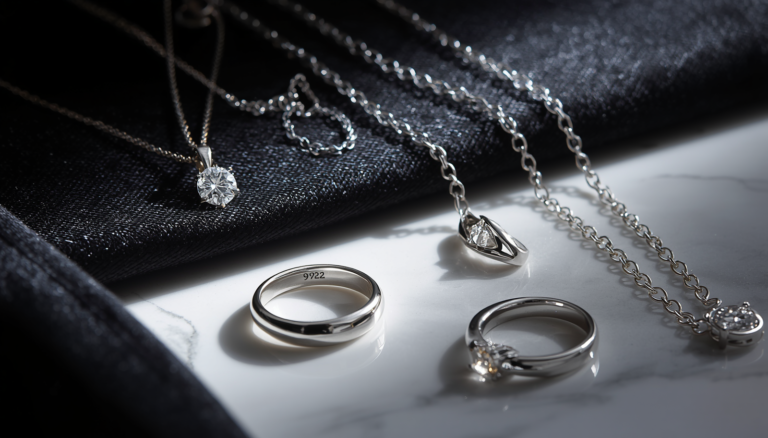
The most immediate indicator of a piece’s value is its hallmark, specifically the Karat mark. This stamp, typically found on the interior of a ring or the clasp of a necklace, denotes the purity of the precious metal. While high-end jewelry will clearly state its gold or silver content (such as 14K, 18K, or 925), counterfeit pieces often omit these marks entirely or use misleading terminology. It is also vital to distinguish between “solid” gold and gold-plated or “filled” components, which may look identical to the naked eye but possess vastly different long-term value. -
Beyond the Sparkle: Physical Inspection
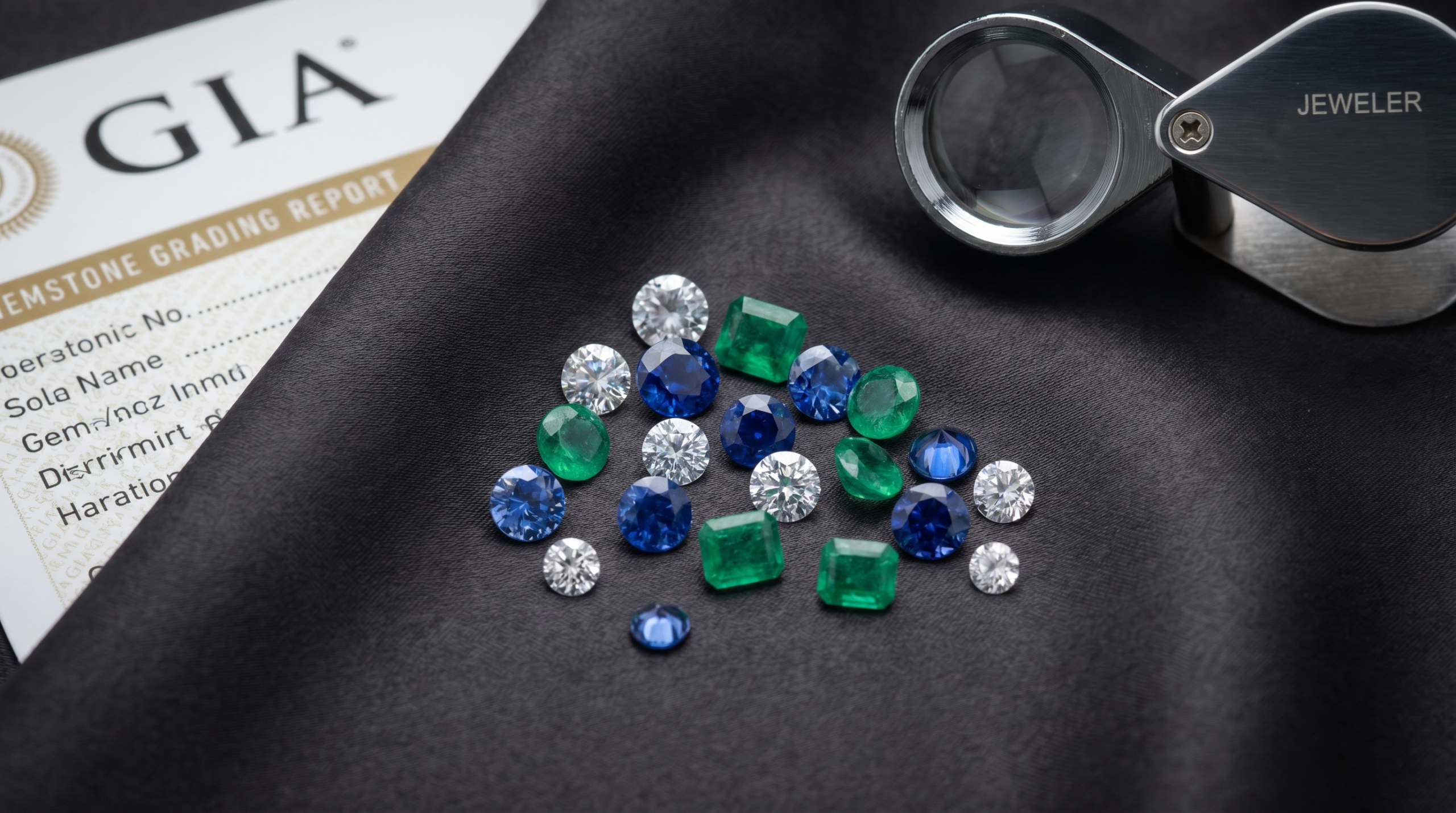
Quality is found in the details. A premium piece of jewelry should be free of “unnecessary edges” or casting flashes that suggest a hurried manufacturing process. Furthermore, do not be misled by weight or brilliance alone. Modern technology allows for the creation of heavy, “shiny” fakes that mimic the physical presence of authentic luxury goods. True quality is verified through professional analysis, such as the rigorous testing performed by the Gemological Institute of America (GIA), which uses tools like UV light to test for fluorescence and identify stones. -
Understanding Gemstone Integrity
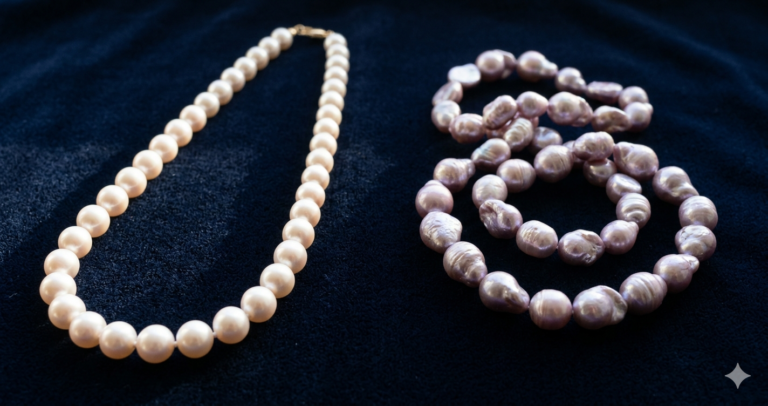
For those focused on colored stones or diamonds, understanding the “4Cs” (Cut, Color, Clarity, and Carat weight) is non-negotiable. The market is currently seeing a rise in “phenomenal gems” and unique sourcing, such as Chinese emeralds or Arkansas turquoise, each carrying its own set of quality benchmarks. Be particularly wary of trending misnomers; for instance, the term “Freshwater Akoyas” is often used to market bead-nucleated freshwater pearls, potentially misleading consumers about their origin and value.
Protecting Your Investment: Professional Standards and Ethics
Trust is the most valuable currency in the jewelry trade. When stepping away from well-known retail brands, you must rely on the ethical standing of your wholesale partner. Organizations like Jewelers of America (JA) were founded specifically to advance professionalism and ethics in the industry.
A reputable wholesaler should ideally be a member of such professional associations, adhering to a strict Code of Professional Practices. One hallmark of a trustworthy seller is their transparency regarding business permits, certifications, and, most importantly, their return policy. A seller who refuses to accept returns is often a seller who does not stand behind the authenticity of their inventory.
The Importance of Appraisals and Insurance
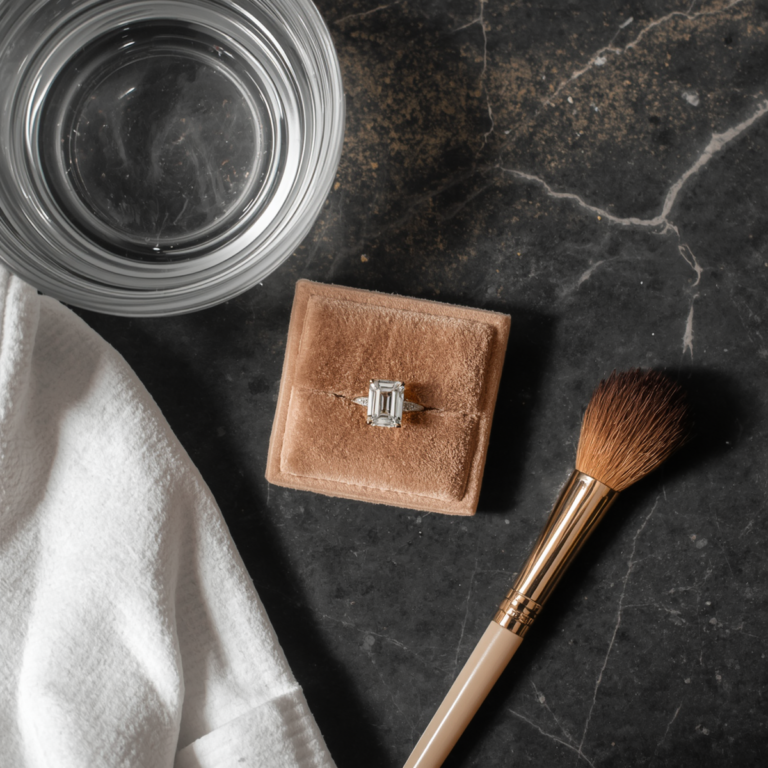
Once you have acquired a piece, your journey isn’t over. Professional appraisals are essential for both verifying your purchase and securing jewelry insurance. High-end pieces, such as vintage Cartier watches or “Ocean Dream” diamonds, can reach record-breaking prices at auction, and having documented proof of provenance and quality is the only way to protect that financial stake.
Market Trends: What to Watch in 2026
The jewelry landscape is currently defined by a tension between tradition and technology. While natural diamonds remain a staple, the industry is navigating a “Natural Diamond Dilemma” as lab-grown alternatives continue to saturate the market. Simultaneously, there is a burgeoning interest in symbolism and heritage, with motifs like the Star of David or unicorn and wolf imagery gaining popularity for their deeper meanings of purity and protection.
Furthermore, external economic factors like tariffs can impact wholesale pricing. Savvy buyers should stay informed about international shipping regulations and potential tariff refunds, as these costs are often passed down through the supply chain.
To ensure your wholesale pieces age gracefully, see The Art of the Heirloom: A Masterclass in Jewelry Care and Gemstone Longevity.
Frequently Asked Questions
- Is wholesale jewelry always real? No. While many wholesalers are reputable, the market also contains dealers who sell fakes. Always look for Karat marks, professional certifications (like GIA reports), and verify the seller’s credentials with organizations like Jewelers of America.
- Why is wholesale so much cheaper than retail? Wholesalers sell in higher volumes and lack the high overhead costs (marketing, luxury storefronts, curated displays) associated with retail boutiques.
- What should I look for in a “Karat mark”? The Karat mark indicates the purity of the metal and is usually found on the side or back of the piece. A lack of a mark is a significant red flag for counterfeit jewelry.
- How do I know if a gemstone is high quality? Quality is determined by the 4Cs and professional grading. For pearls and colored stones, be wary of “trending misnomers” and always ask for a laboratory analysis report if the stone is of high value.
Conclusion: Buying with Confidence
Acquiring wholesale jewelry is more than a financial strategy; it is an exercise in connoisseurship. By shifting your focus from the “shimmer” to the substance—checking for hallmarks, demanding ethical transparency, and relying on expert-backed grading—you can build a collection that is both beautiful and a sound investment. Whether you are a private collector or an aspiring professional, remember that in the world of fine jewelry, certainty is never a gamble; it is the result of education and due diligence.