The Definitive Guide to Pearl Jewelry: Elegance, Value & Care
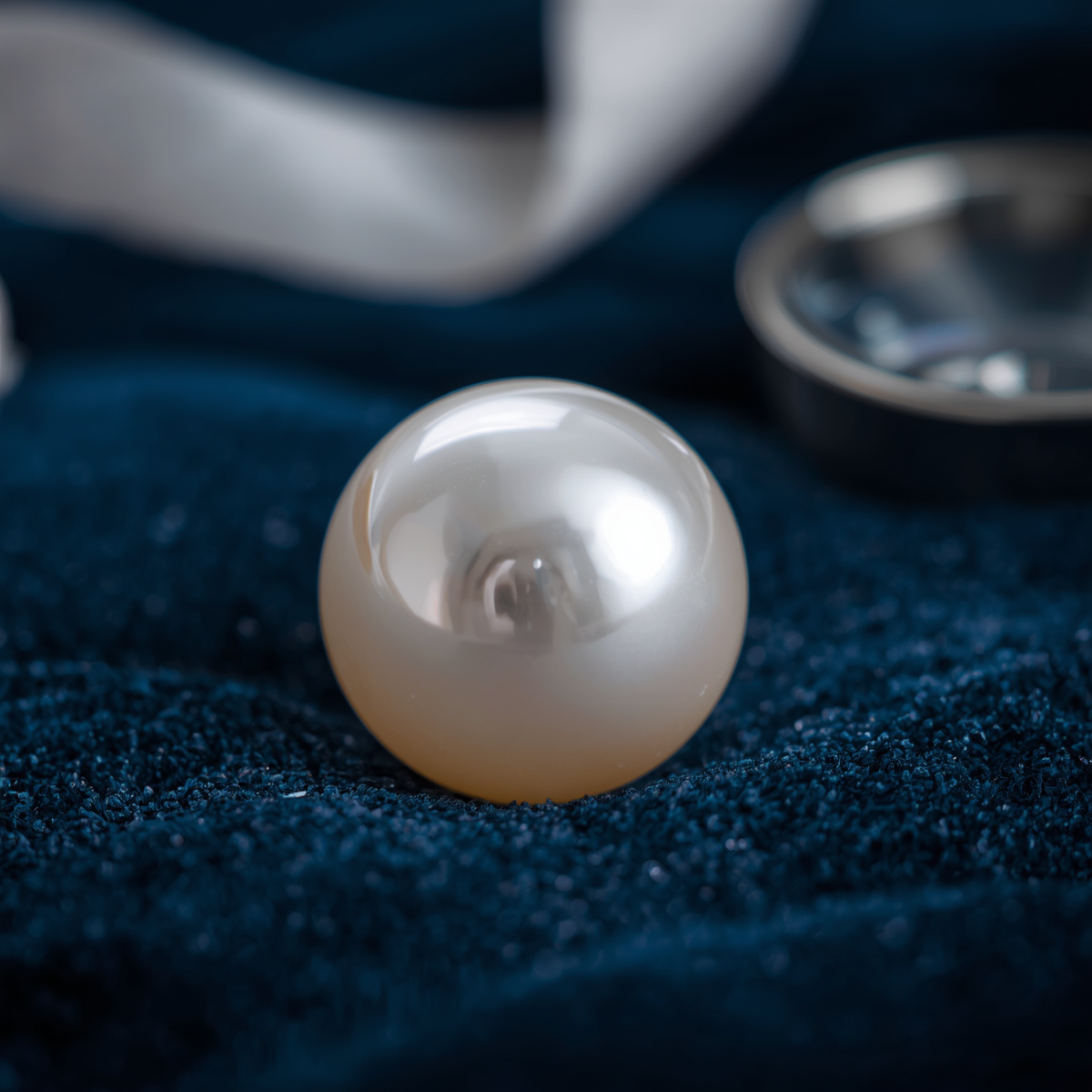
There is a specific, quiet weight to a strand of high-quality pearls as it settles against the collarbone — a cool, organic press that warms to the skin’s temperature within moments. Unlike the aggressive fire of a diamond, a pearl offers a lunar glow, a soft-focus radiance that has defined the wardrobes of history’s most formidable women.
From the opera-length strands favored by Coco Chanel to the iconic three-row necklace worn by Jacqueline Kennedy Onassis, pearls have always been more than mere accessories; they are symbols of wisdom, clarity, and an inherited elegance.
“Nothing gives the luxury of pearls.” — Diana Vreeland, Editor-in-Chief of Vogue
At Veyrael, we believe that luxury is found in the details — the sharpness of a reflection on a gem’s surface and the integrity of the silk cord that binds them. Yet the market is awash in clever imitations and low-grade harvests. To truly appreciate the pearl is to understand its journey from a grain of sand to a masterpiece of nacre.
The Organic Miracle: How Nature Crafts a Gemstone
The pearl holds a singular title in the gemstone world: it is the only one produced by a living animal. When an irritant — be it a parasite or a microscopic piece of debris — finds its way into the shell of a mollusk, the creature responds not with aggression, but with artistry. It secretes nacre, a lustrous fluid that layers over the intruder, slowly building a luminous sphere over five to ten years.
While natural pearls found in the wild are vanishingly rare and largely relegated to the world of high-stakes auctions, the cultured pearls we cherish today are no less “real.” In the late 19th century, Kokichi Mikimoto revolutionized the industry by discovering how to carefully stimulate this process, leading to the “pearl farms” that now produce the world’s finest jewelry. Even with human assistance, nature remains the ultimate arbiter; only about 5% of farmed pearls meet the exacting standards of the fine jewelry market.
Decoding the Varieties: Akoya, Tahitian & Beyond
Navigating the world of pearls requires a map of the waters from which they emerge. Each variety carries a distinct personality and price point.
The Japanese Akoya: The Mirror-Like Classic. If you envision a classic “bridal” strand, you are likely thinking of the Akoya. Grown in saltwater, these pearls are prized for their perfectly spherical shapes and a luster so sharp you can often see your own reflection in them. They typically range from white to cream, often carrying delicate overtones of rose or silver.
The Tahitian: Exotic Shadows. Often called “black pearls,” Tahitian varieties are rarely a true, flat black. Instead, they possess a moody, iridescent spectrum — think of the shifting greens of a peacock feather or the deep purples of a stormy sky. Grown in the warm waters of French Polynesia, their large size (8mm to 18mm) makes them a bold statement for the modern collector.
The South Sea: The Queen of Pearls. Grown in the Pinctada maxima oyster, South Sea pearls are the titans of the industry. They are the largest of all cultured pearls, ranging up to 20mm, and are celebrated for their silky, satin-like glow rather than a metallic shine. Their natural golden and silver hues are considered the height of luxury.
Freshwater Pearls: The Modern Versatile. Freshwater pearls are the “bargain” of the gemstone world, though “bargain” does not imply low quality. Because a single freshwater mussel can produce dozens of pearls at once, they are more plentiful and affordable, offering an incredible array of pastel colors and baroque shapes for those seeking a unique look.
| Type | Origin | Key Traits | Typical Size | Mood / Style |
|---|---|---|---|---|
| Japanese Akoya | Saltwater, Japan | Highly round, sharp mirror-like luster, white to cream with rose or silver overtones | Small to medium | Classic, bridal, traditional elegance |
| Tahitian | French Polynesia | Iridescent “black” tones, peacock greens and purples, bold presence | 8mm – 18mm | Modern, dramatic, exotic |
| South Sea | Pinctada maxima oyster | Very large, satin-like glow, natural golden and silver hues | Up to ~20mm | Ultra-luxury, regal, statement |
| Freshwater | Freshwater mussels | Abundant, many shapes including baroque, wide pastel palette | Varied, often smaller | Versatile, artistic, accessible luxury |
The Veyrael Quality Audit: The Seven Value Factors
When evaluating a pearl, professional gemologists look for seven key traits. Training your eye to see these details is the best defense against overpaying for mediocre quality.
- Luster — The most critical factor. Look for a deep-seated glow that seems to come from within the pearl, not just on its surface.
- Surface Clarity — While no organic gem is perfectly smooth, the most valuable pearls have minimal bumps, cracks, or pits. Severe surface flaws can compromise the pearl’s durability.
- Shape — Perfectly round pearls are the rarest and most expensive, but symmetrical “drops” are also highly prized for earrings.
- Nacre Quality — Thick nacre is what gives a pearl its longevity and beauty. If the pearl looks chalky or you can see the bead inside, the nacre is too thin.
- Size — As the diameter in millimeters increases, the price climbs exponentially.
- Color — Beyond the body color, look for the orient — that rainbow-like iridescence that dances across the surface.
- Matching — In a strand, every pearl should harmonize in size, luster, and tone.
Avoiding the “Fish Scale” Trap: Identifying Imitations
In an era of mass-produced fashion, “imitation” pearls are everywhere. These are not gemstones; they are glass or plastic beads dipped in a solution often made from ground fish scales.
To spot a fake, rely on the Gritty Test. Rub two pearls gently against each other or against the edge of your front tooth. Genuine nacre has a microscopic texture that feels slightly gritty, like very fine sand. Imitation pearls, by contrast, feel perfectly smooth and slippery. Furthermore, real pearls feel heavy and cool to the touch, whereas plastic fakes often feel light and warm.
The Ritual of Care: Preserving the Glow
Because they are organic, pearls are sensitive to their environment. They have a Mohs hardness of only 2.5 to 4.5, meaning they can be scratched by even a copper penny. To ensure your investment becomes a family heirloom, follow the golden rule: “Last on, first off.”
Apply your perfume, hairspray, and cosmetics first, allowing them to dry completely before putting on your jewelry. The chemicals in these products can eat away at the nacre over time, turning a lustrous strand into a dull one. After wearing, wipe them with a soft, damp cloth to remove any traces of skin oils.
Storage Tip: Never store your pearls in a plastic bag — they need to “breathe” to maintain their moisture. Instead, tuck them into a soft silk or chamois pouch, away from harder gemstones like diamonds that could scratch their delicate surfaces.
To preserve the delicate luster of pearls, see The Art of the Heirloom: A Masterclass in Jewelry Care and Gemstone Longevity.Frequently Asked Questions
- Are cultured pearls considered “fake”? No. Cultured pearls are real pearls grown inside living mollusks. The only difference is that the process is started by human intervention — nature still does all the work.
- Why are my pearls turning yellow? This is often a sign of dehydration or exposure to chemicals. Storing pearls in a safe-deposit box for years without airflow can cause them to dry out and discolor over time.
- How often should I restring my pearl necklace? If you wear your pearls frequently, most experts recommend restringing them once a year. Look for a jeweler who uses silk thread and ties a knot between every single pearl to prevent them from rubbing together or scattering if the cord breaks.
Conclusion
A pearl is not merely a gemstone — it is a testament to patience, both nature’s and yours. From understanding the waters that birth each variety to recognizing the seven hallmarks of quality, the knowledge you carry into a purchase is as valuable as the strand itself. Care for your pearls with the same quiet diligence with which they were formed, and they will reward you with generations of luminous, living beauty.
At Veyrael, we are committed to guiding every collector — whether first-time buyer or seasoned connoisseur — toward pieces that are worthy of becoming heirlooms.