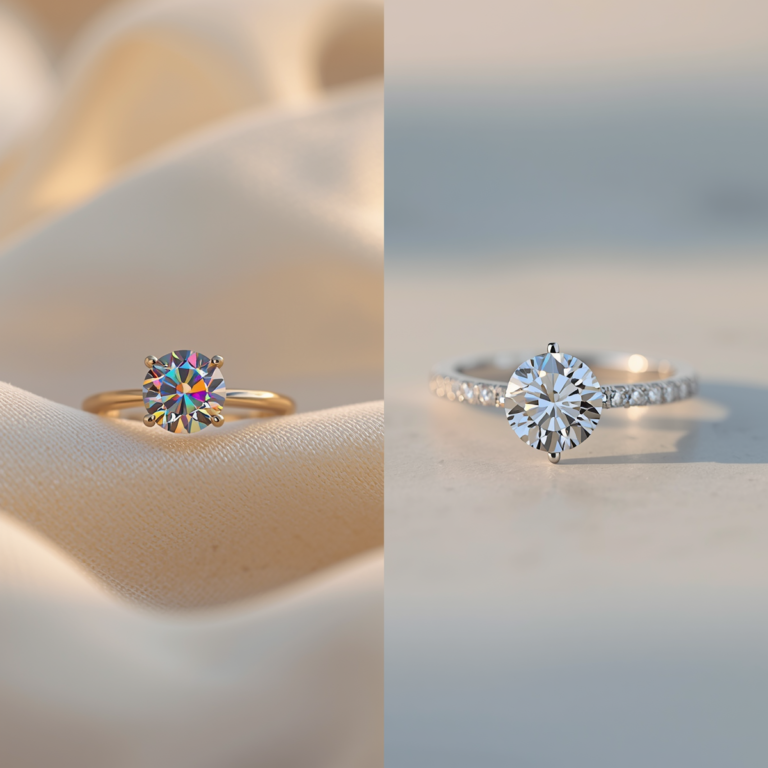
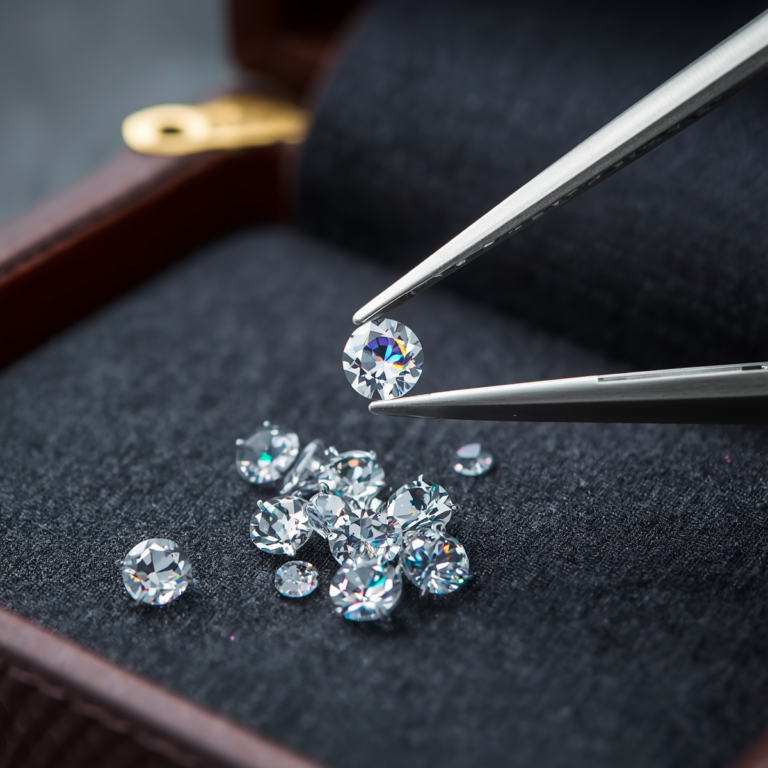
Buying The Engagement Ring: A Connoisseur’s Guide to the 4Cs
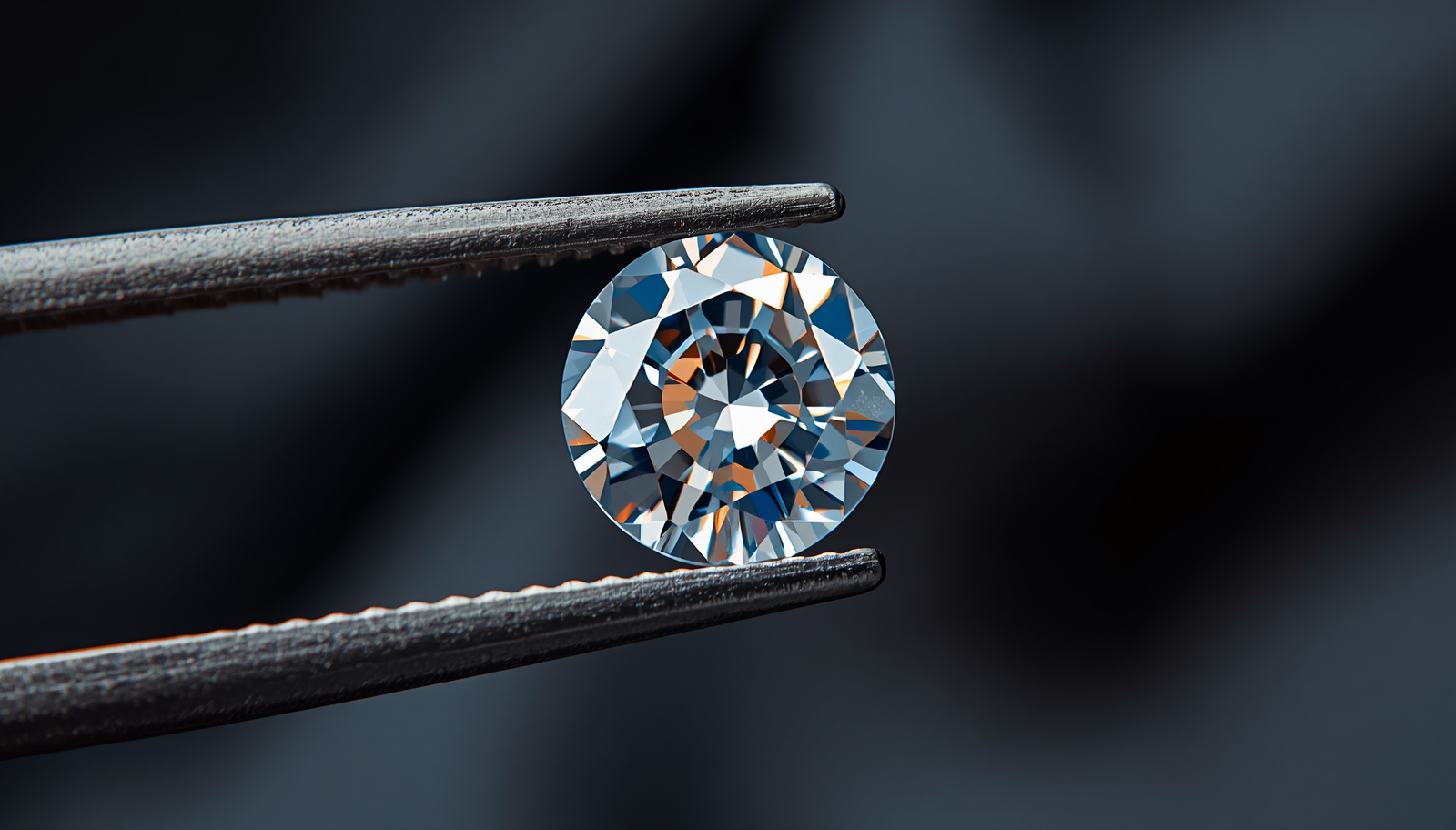
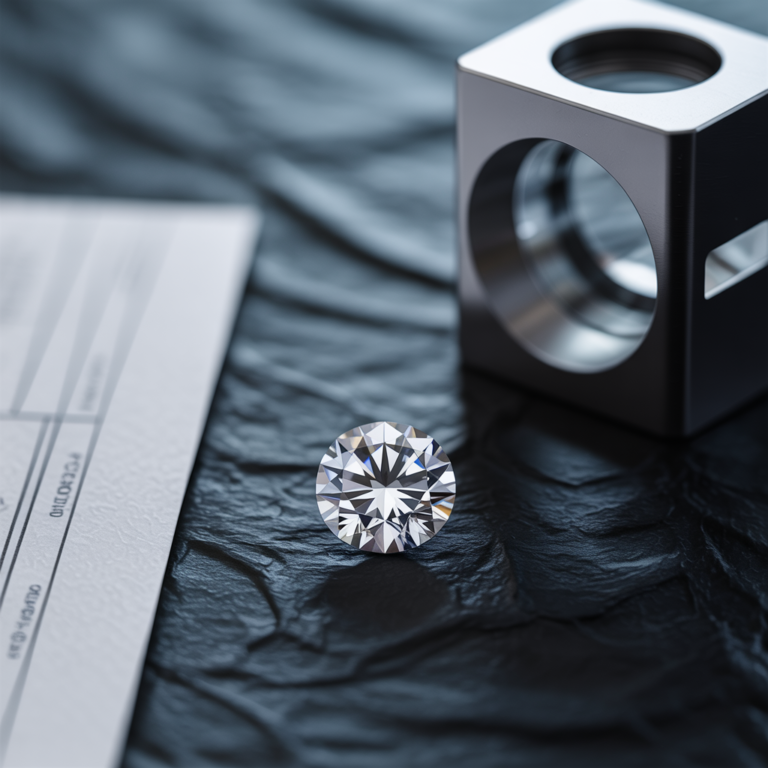
W hen you first hold a diamond between your fingertips, there is a distinct, heavy coolness to the stone — a prehistoric chill that speaks of its birth 140 to 200 kilometers beneath the Earth’s crust. As you tilt it, the velvet-lined walls of the jewelry boutique seem to disappear, replaced by a sudden, violent eruption of spectral light. This is the “fire” of a gemstone, a sensory dance of light and shadow that has made the diamond the ultimate protagonist in the story of human devotion.
However, the path to selecting the perfect stone is often obscured by industry jargon and emotional pressure. For the discerning buyer at Veyrael, luxury is not about the highest price tag; it is about the intersection of rarity, craftsmanship, and informed value. To navigate this world, one must master the universal language of the 4Cs: Cut, Color, Clarity, and Carat.
The 4Cs: A Legacy of Transparency
Before the 1940s, describing a diamond was a matter of poetry rather than precision. Merchants spoke of “water” and “flaws,” leaving buyers to rely on subjective trust. Everything changed when Robert M. Shipley, founder of the Gemological Institute of America (GIA), codified the 4Cs. This system transformed diamond buying from a mysterious exchange into a measurable science, ensuring that a connoisseur in New York and a cutter in Antwerp are speaking the same dialect.
| The C | What It Measures | Why It Matters |
|---|---|---|
| Cut | Technical execution of proportions and facets | Controls brilliance, fire, and scintillation |
| Color | Degree of colorlessness on D–Z scale | More colorless = more rare = more valuable |
| Clarity | Presence of internal inclusions and surface blemishes | Fewer inclusions = higher purity and price |
| Carat | Weight in metric carats (1ct = 200mg) | Larger stones are rarer but size depends on cut |
1. Diamond Cut: The Architect of Brilliance
If the diamond is a performer, the Cut is the stage, the lighting, and the direction. Often confused with “shape” (which refers to the silhouette, like oval or pear), the cut is actually the technical execution of the stone’s proportions.
A masterfully cut diamond does not merely sit in a setting; it breathes. When light enters the crown, it should bounce off the internal facets like a hall of mirrors before returning to the eye in a brilliant display.
The Three Pillars of Light Performance
- Brilliance — The internal and external reflection of pure white light.
- Fire — The dispersion of light into vivid, rainbow-colored flashes.
- Scintillation — The pattern of light and dark that sparkles as the diamond — or the wearer — moves.
Expert Buying Tip: Never compromise here. An “Excellent” or “Ideal” cut can make a smaller diamond appear larger and more vibrant than a heavier stone with a “Poor” cut that allows light to leak out of the bottom.
2. Diamond Color: The Beauty of the Absence
In the world of white diamonds, value is found in what is not there. The GIA color scale ranges from D (colorless) to Z (light yellow or brown).
| Grade | Category | Description | Value |
|---|---|---|---|
| D–F | Colorless | Chemically pure; icy and rare. D is absolutely colorless. E–F have minute traces detectable only by expert gemologists. | ⭐⭐⭐ Highest |
| G–J | Near-Colorless | Appear white to the naked eye. The “sweet spot” — significant savings without visible compromise. | ⭐⭐ Great Value |
| K–Z | Noticeable Color | Warm, vintage glow. Best suited for yellow or rose gold settings that naturally mask the tint. | ⭐ Budget-Friendly |
The Metal Secret: If you are setting your stone in yellow or rose gold, the warm hue of the metal will naturally mask a slight tint in the diamond. Choosing a “J” or “K” grade in these settings is a sophisticated way to maximize your budget for a larger carat weight.
3. Diamond Clarity: Nature’s Microscopic Fingerprint
Natural diamonds are the result of billions of years of geological pressure. Within almost every stone lie “inclusions” (internal features) and “blemishes” (surface marks). These are not flaws; they are nature’s signatures — tiny time capsules of the Earth’s history.
| Grade | Name | What It Means |
|---|---|---|
| FL / IF | Flawless / Internally Flawless | No inclusions visible even under 10x magnification. Extremely rare. |
| VVS1–VVS2 | Very, Very Slightly Included | Microscopic marks that are difficult for even experts to find. |
| VS1–VS2 | Very Slightly Included | Minor inclusions that do not impact beauty to the unaided eye. |
| SI1–SI2 | Slightly Included | Inclusions may be visible under magnification and occasionally to the sharp-eyed observer. |
Buying Strategy — The “Eye-Clean” Diamond: For most engagement rings, a VS2 or SI1 diamond is the most pragmatic choice. As long as the inclusions are not visible to the naked eye at a normal viewing distance, you are paying for beauty rather than a technical grade on a certificate.
4. Diamond Carat: Weight vs. Visual Presence
The most common mistake in jewelry buying is equating Carat with size. Carat is a measure of weight — specifically 200 milligrams per carat. Two diamonds of the exact same weight can look remarkably different depending on their shape and cut.
If ethical sourcing matters to you, read Beyond the Sparkle: The Veyrael Masterclass on Ethical Diamond Procurement.The “Magic Sizes” Trap
Diamond prices do not rise linearly; they jump at “magic weights” like 1.0, 1.5, and 2.0 carats.
| Magic Weight | “Shy” Alternative | Result |
|---|---|---|
| 1.0 carat | 0.90 carat | Imperceptible size difference — significant price savings |
| 1.5 carat | 1.40 carat | Nearly identical on the hand — invest savings in a better cut |
| 2.0 carat | 1.90 carat | Thousands of dollars saved — redirect to superior clarity or color |
Shape and Silhouette: Defining Your Aesthetic
While the Round Brilliant is the gold standard for sparkle, “Fancy Shapes” offer a distinctive character.
- Oval & Marquise — These elongated shapes create an illusion of length on the finger and often appear larger than rounds of the same weight.
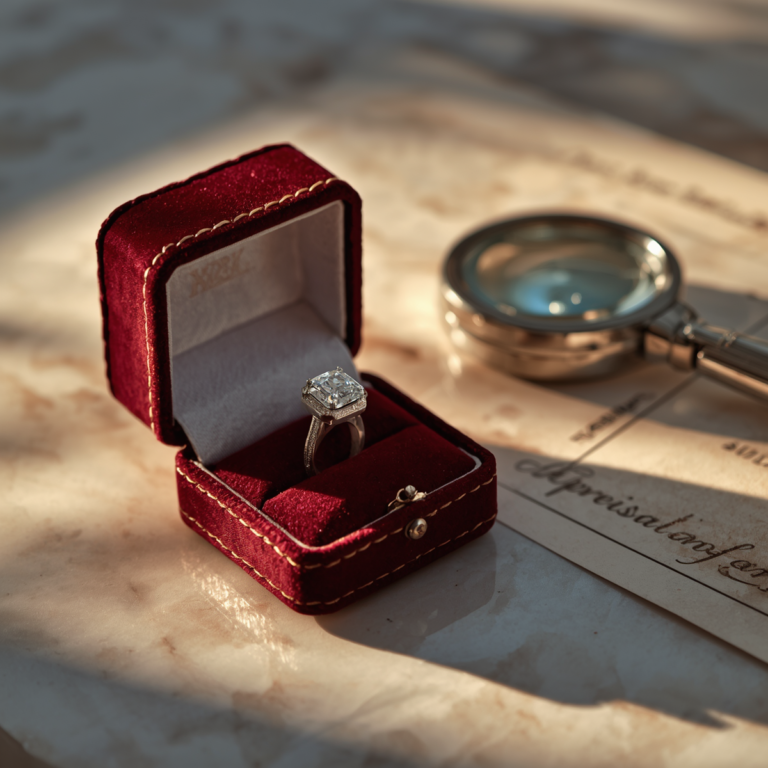
- Emerald Cut — A sophisticated step-cut with long facets that create a “hall-of-mirrors” effect. Because this cut doesn’t hide inclusions well, you should prioritize a higher clarity grade (VS1 or above).
- Cushion Cut — Soft, rounded corners that offer a romantic, antique feel.
Consumer Protection: The Veyrael Checklist
To ensure your investment is sound and ethical, always adhere to these standards:
- Insist on Certification — Never purchase a significant diamond without a grading report from a reputable lab like the GIA, IGI, or GCAL.
- Verify Origin — Whether you choose a Natural Diamond (prized for its billions of years of history and rarity) or a Lab-Grown Diamond (optically identical but more accessible in price), ensure the sourcing is transparent.
- Look for Serial Numbers — Premium retailers often laser-inscribe a unique serial number on the diamond’s girdle, matching its certificate.
Frequently Asked Questions
-
Which of the 4Cs is the most important?
Almost all experts agree that Cut is the most vital. A poorly cut diamond will look dull regardless of how colorless or clear it is. -
What is an “eye-clean” diamond?
This refers to a stone with inclusions that cannot be seen by the naked eye from a typical viewing distance (about 6–10 inches). -
Do lab-grown diamonds pass a diamond tester?
Yes. Because lab-grown diamonds are chemically and physically identical to natural diamonds, they react the same way to thermal and electrical conductivity tests. -
How can I make a diamond look bigger?
Choose an elongated shape (like an oval), opt for a “halo” setting of smaller diamonds, or select a thinner band to make the center stone pop.
Final Thoughts
Selecting a diamond is a rare moment where logic meets legacy. While the 4Cs provide the map, your own emotional response to the stone is the compass.
When you find the right one, it won’t just be a line item on a grading report; it will be a fragment of the infinite, ready to tell your story for generations to come.