Beyond the Vault: The Veyrael Guide to Insuring Your Most Precious Collections
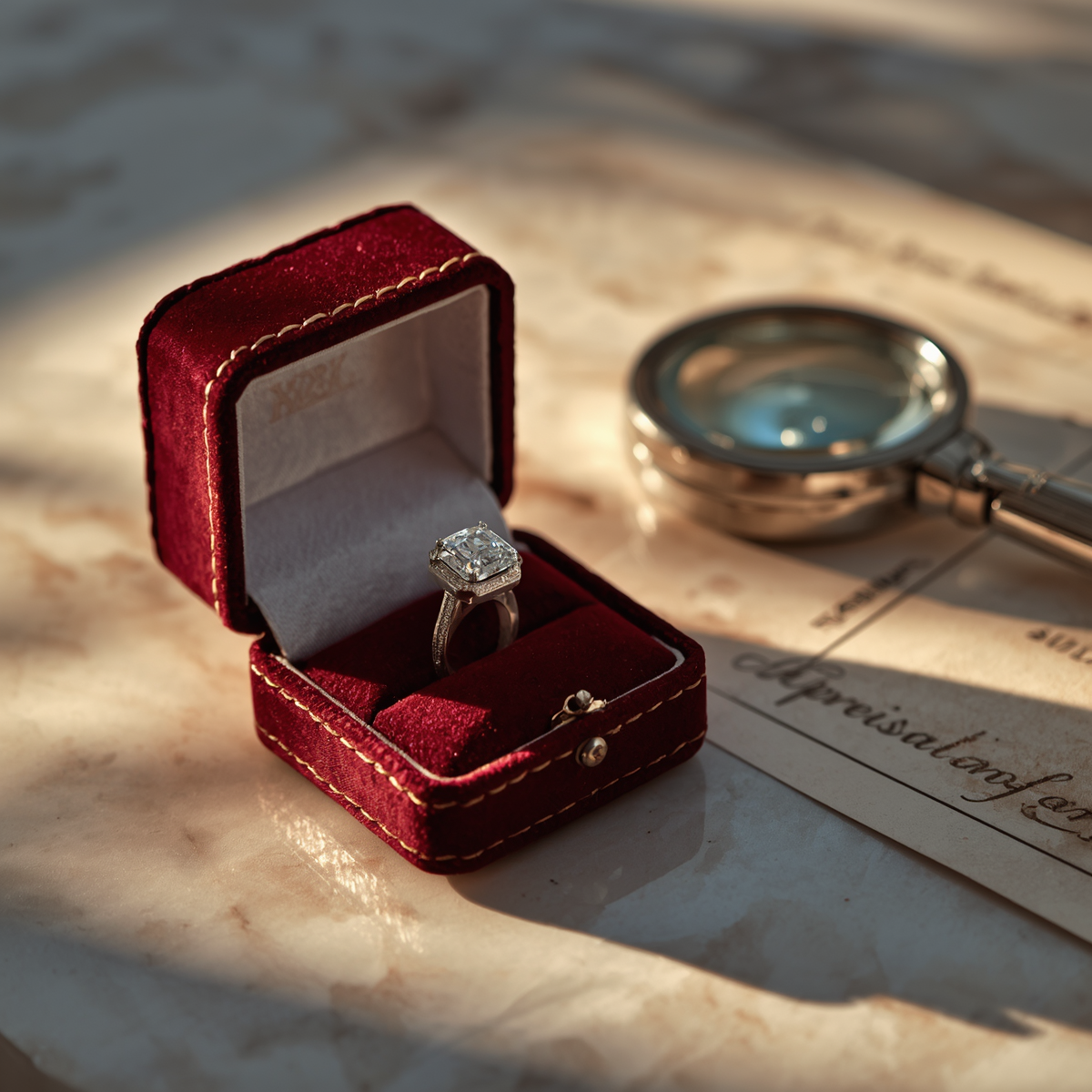
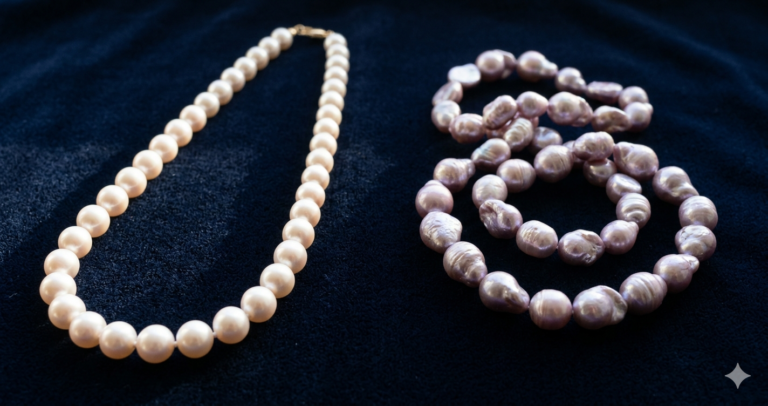
There is a profound, almost visceral connection between a collector and their jewelry. Whether it is the rhythmic ticking of a vintage Patek Philippe or the fire trapped within a bespoke 3-carat cushion-cut diamond, these pieces are more than mere assets; they are milestones, heirlooms, and fragments of a personal legacy.
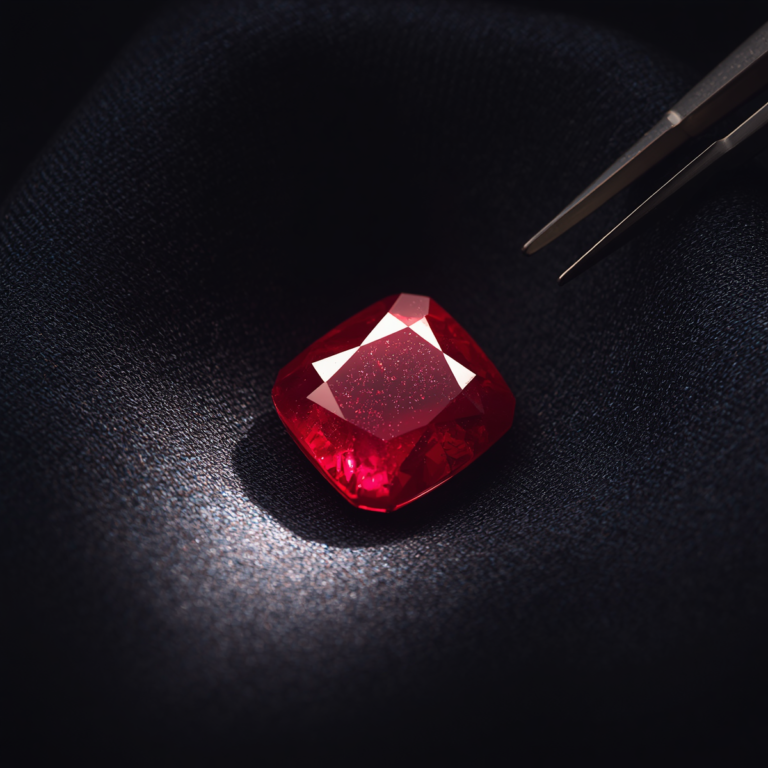
Yet, for many connoisseurs, the journey often ends at the point of purchase. We spend months researching the “Four Cs” or the provenance of a rare Padparadscha sapphire, only to relegate the actual protection of that item to a footnote in a homeowners’ policy.
In the high-stakes world of luxury accessories, a “standard” policy is rarely enough. True security requires a nuanced understanding of the insurance landscape.
This guide will walk you through the essential strategies for securing your sparkle, ensuring that if the unthinkable happens, your financial and emotional investment remains intact.
The First Choice: Specialty Standalone Policies vs. Homeowners’ Endorsements
When you decide to protect a high-value piece, you generally face two paths: adding a “rider” to your existing home insurance or seeking out a specialty standalone policy.
| Coverage Type | Best For | Major Limitation | Key Advantage |
|---|---|---|---|
| Homeowners’ Rider | Casual owners with lower-value pieces | Lower coverage caps and limited protection | Convenient bundling |
| Standalone Jewelry Policy | High-value collectors and travelers | Higher annual premiums | Specialized worldwide protection |
| Scheduled Coverage | Individual luxury items | Requires appraisal updates | Precise replacement protection |
| Unscheduled Coverage | Everyday lower-value jewelry | Limited reimbursement | No appraisal required |
The Limitations of Standard Homeowners’ Coverage
Most standard homeowners’ or renters’ insurance policies include a modest amount of coverage for personal property. However, this is often “unscheduled” coverage, meaning the items aren’t individually listed. While convenient, these “blanket” limits are typically capped at $1,500, often with a $500 deductible. For a piece valued at $10,000 or more, this leaves a staggering gap in protection.
The Standalone Differentiator
For serious collectors, standalone jewelry policies from specialty carriers like Jewelers Mutual or Chubb are often the gold standard. Unlike a general homeowners’ policy, these are “all-risk” agreements designed specifically for the unique vulnerabilities of fine jewelry.
Specialty policies offer several distinct advantages:
- Mysterious Disappearance: Many standard policies won’t pay out if you simply “lose” a ring. Specialty policies often cover “mysterious disappearance” critical for items that can vanish without evidence of theft.
- Worldwide Protection: If your Cartier watch is stolen in a Paris cafe or lost during a transit in Dubai, a standalone policy usually provides global coverage that standard riders might restrict.
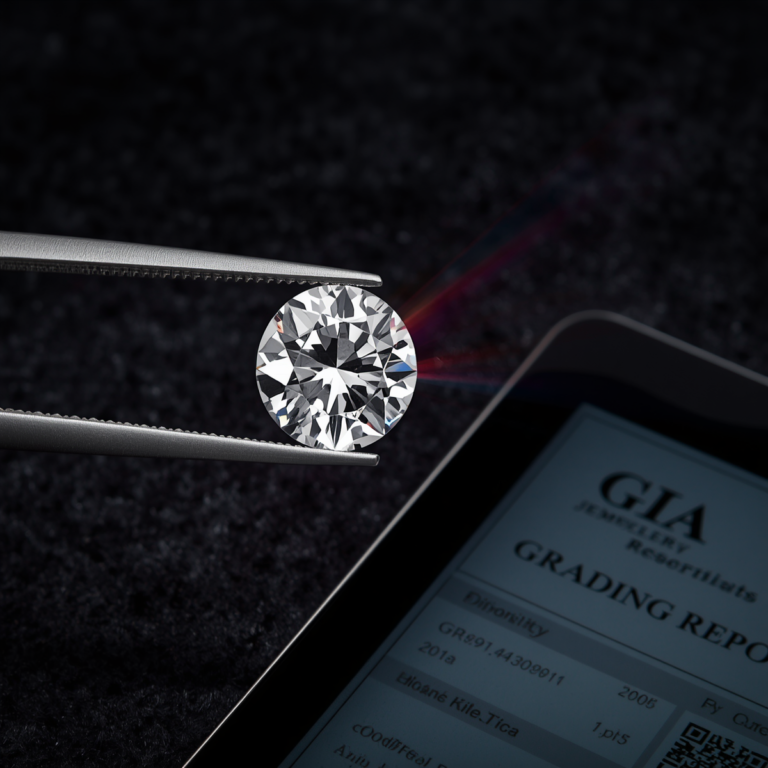
- Claims Expertise: When you file a claim with a specialist, you are dealing with adjusters who understand the difference between a lab-grown diamond and a natural GIA-certified stone.
Decoding the Lexicon: Essential Insurance Terms for the Modern Collector
Navigating the fine print requires a map. Before signing a contract, ensure you are fluent in these core concepts:
Scheduled vs. Unscheduled Property
Unscheduled: These are your “everyday” pieces—lower-value items under $1,000 each that are covered as a group. They rarely require an appraisal, but you should still maintain receipts and photos as proof of existence.
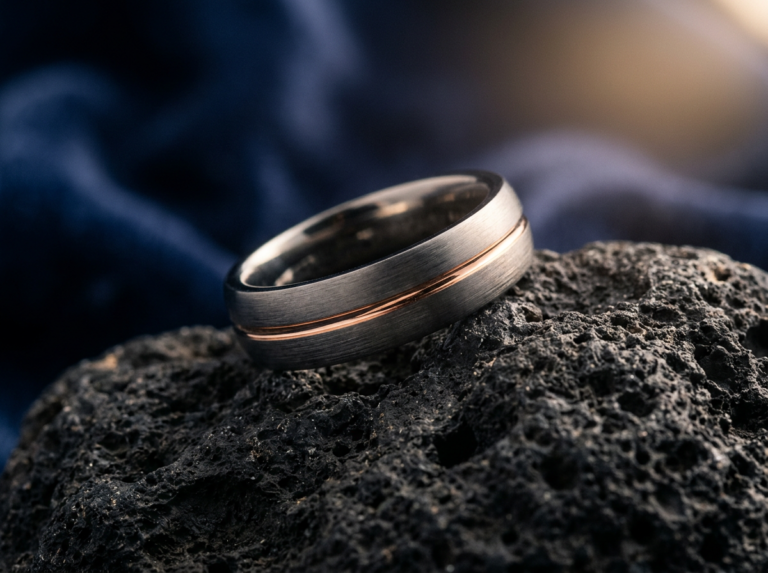
Scheduled: This is for the heavy hitters. Each high-value item is “scheduled” or listed individually on your policy. This ensures the piece is protected up to its full appraised value.
The “Peril” of Named Coverage
An insurance “peril” is simply the cause of loss. A Named Peril policy only covers risks explicitly listed, like fire or lightning. Conversely, an All-Risk policy covers every eventuality unless it is specifically excluded. For luxury items, always aim for All-Risk coverage to protect against accidental damage or loss.
Deductibles and Premiums
The premium is your annual cost, which typically ranges from 0.5% to 2% of the item’s value. For example, a $10,000 engagement ring usually costs between $100 and $200 per year to insure. Your deductible is what you pay out-of-pocket during a claim. While a higher deductible can lower your premium, it can make filing claims for smaller repairs uneconomical.
The Appraisal Trap: How to Avoid Underinsurance
The most critical document in your insurance portfolio isn’t the policy itself—it’s the appraisal. An inaccurate appraisal can lead to two costly mistakes: paying too much for coverage you don’t need or being unable to replace your piece after a loss.
Veyrael Expert Insight:
Many collectors unknowingly overinsured their jewelry using inflated retail appraisals. A realistic replacement-value appraisal is often more financially efficient and results in lower long-term premiums.
The Danger of “Vague” Descriptions
If your appraisal is generic—listing a “14k gold diamond ring” without specifying the diamond’s cut, clarity, color, and carat weight—the insurer may replace your lost item with a lower-quality stone that technically fits that broad description. Ensure your appraiser provides a detailed, forensic breakdown of the piece.
The Inflation Problem
Some retailers provide appraisals that are artificially high—sometimes 150% above the actual retail price—to make the buyer feel they got a “deal”. However, most insurers will only pay the “replacement cost” at their own wholesale rates, regardless of how high your appraised value (and thus your premium) was. Avoid paying premiums on “fluff” value.
The 5-Year Rule
Jewelry values, especially for diamonds and rare gemstones, are not static. A diamond that cost $5,000 five years ago might cost $7,500 to replace today. Because most policies do not have an automatic appreciation adjustment, you must update your appraisals every 2 to 5 years to avoid being underinsured.
Geographical Risk: Why Your Zip Code Matters
Your location significantly impacts both your premium and the type of protection you should prioritize.
High-Risk Metropolitan Areas
Cities such as New York, Los Angeles, and Miami are considered higher-risk markets for luxury theft and transit loss. Collectors living in these regions should strongly consider standalone specialty policies with robust “mysterious disappearance” and worldwide transit protection.
International Travel Considerations
If you frequently travel for business or leisure, confirm that your policy includes worldwide coverage without restrictive territorial limitations. Some policies may reduce or void protection once an item leaves the country.
Practical Buying Advice: A Checklist for the New Owner
1. Inventory Immediately: Take high-resolution photos of your piece from multiple angles, including any hallmarks or serial numbers.
2. Get a Independent Appraisal: Do not rely solely on the store’s “valuation.” Seek a certified gemologist who does not sell jewelry.
3. Compare Quotes: Get a quote from your current homeowners’ agent and a specialty carrier like Jewelers Mutual.
4. Confirm “Agreed Value”: Ask if the policy pays an “Agreed Value” (the amount on the appraisal) or “Market Value” (which may be lower at the time of loss).
5. Secure Storage: Using a home safe or a bank vault can sometimes lower your premiums, provided the items are documented as being stored there.
FAQ: Protecting Your Investment
Does my homeowners’ insurance cover my engagement ring?
Only partially. Most standard policies have a “blanket” limit of $1,500 for unscheduled jewelry. If your ring is worth more, you need to “schedule” it as an endorsement or buy a standalone policy.
What is “Mysterious Disappearance”?
This covers you if your jewelry is lost without evidence of theft—such as a ring slipping off your finger while swimming or being left in a hotel room.
How much does jewelry insurance cost?
Expect to pay roughly 1% to 2% of the item’s value annually. A $25,000 luxury watch would typically cost about $250 per year to insure.
Do I need an appraisal for every piece?
Generally, items valued under $1,000 can be “unscheduled” and do not require formal appraisals. Anything over $2,000–$5,000 should be professionally appraised and scheduled.
To maintain your insured pieces flawlessly, see The Art of the Heirloom: A Masterclass in Jewelry Care and Gemstone Longevity.The Final Word
Jewelry is more than adornment—it is memory made tangible. A diamond ring may commemorate a promise, while a vintage watch may carry the weight of generations before you. The right insurance policy cannot replace sentiment, but it can preserve the freedom to wear and enjoy your collection without hesitation.
True luxury is not merely ownership; it is confidence. And confidence begins with protection worthy of the pieces you treasure most.