Don’t Buy a Diamond in 2025 Until You Read This
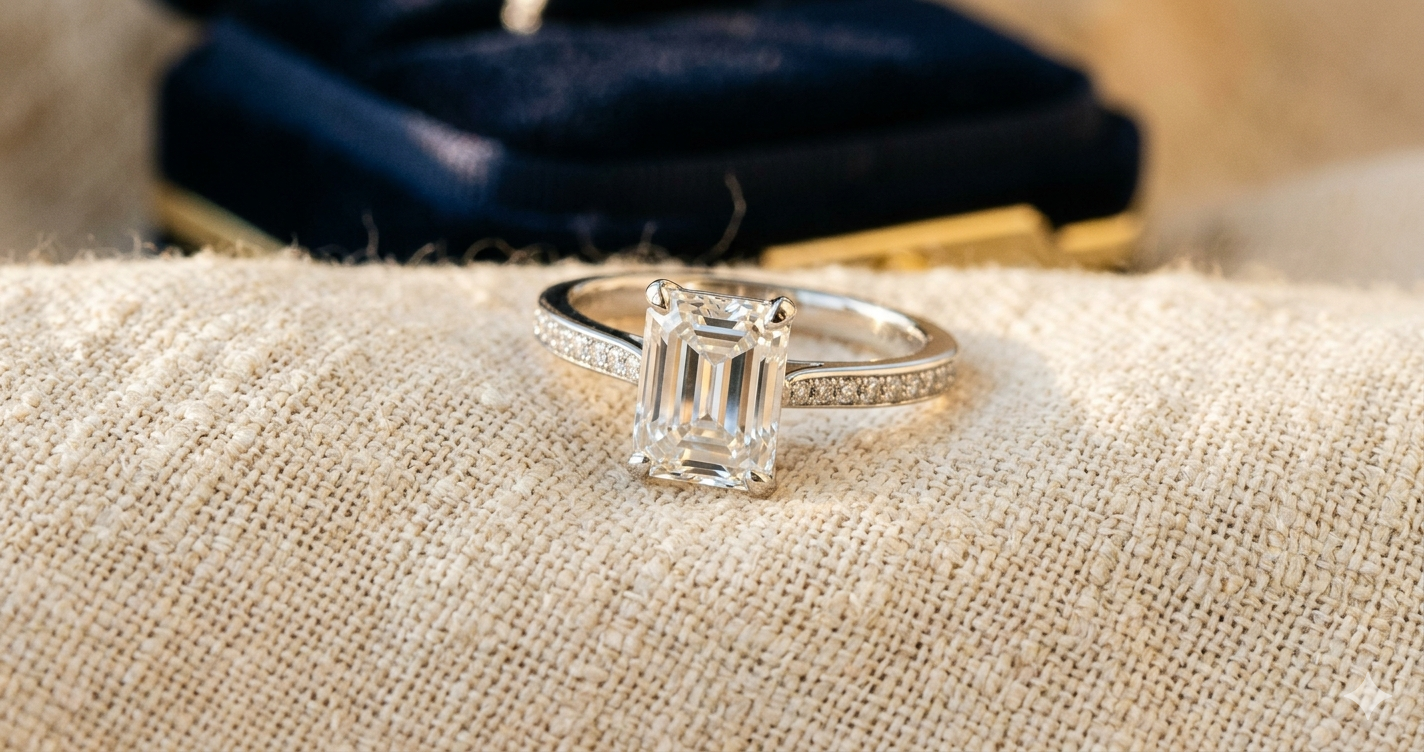
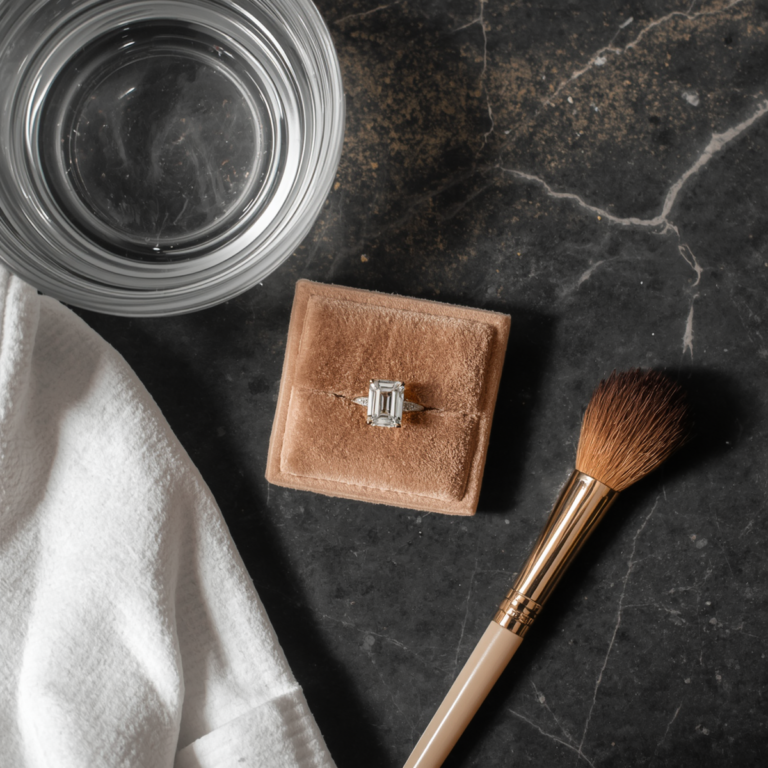
T here is a singular, breath-catching moment that occurs when a velvet box snaps open to reveal a diamond. It is more than just a purchase; it is a physical manifestation of a promise, felt in the cool, substantial weight of platinum against the palm and seen in the way a well-cut stone catches the low glow of a restaurant candle, shattering it into a thousand kaleidoscopic fragments across the table.
However, for many, the journey to that moment is fraught with technical jargon and the fear of a “luxury compromise.” At Veyrael, we believe that buying a diamond should feel like the joy it represents — not a high-stakes engineering exam. Whether you are drawn to the billions-of-years-old story of a natural stone or the innovative brilliance of lab-grown gems, this guide serves as your expert companion to navigating the 2025 market with confidence and sophistication.
“A 2-carat diamond with a mediocre cut will often look dark and lifeless compared to a perfectly proportioned 1-carat Ideal cut stone.”
Beyond the Basics: The New Hierarchy of the 4Cs
While the Gemological Institute of America (GIA) established the 4Cs — Cut, Color, Clarity, and Carat — as the global standard, modern connoisseurs know that these factors are not created equal. To find a stone that truly “dances” with light, you must prioritize where your investment goes.
| The C | Priority | Sweet Spot for Value |
|---|---|---|
| Cut | #1 — Never compromise | Ideal or Excellent only |
| Color | #2 — Metal dependent | G–J range (near colorless) |
| Clarity | #3 — Eye-clean is enough | VS1 to SI1 |
| Carat | #4 — Weight ≠ size | Buy just under round numbers |
1. Cut — The Soul of the Stone
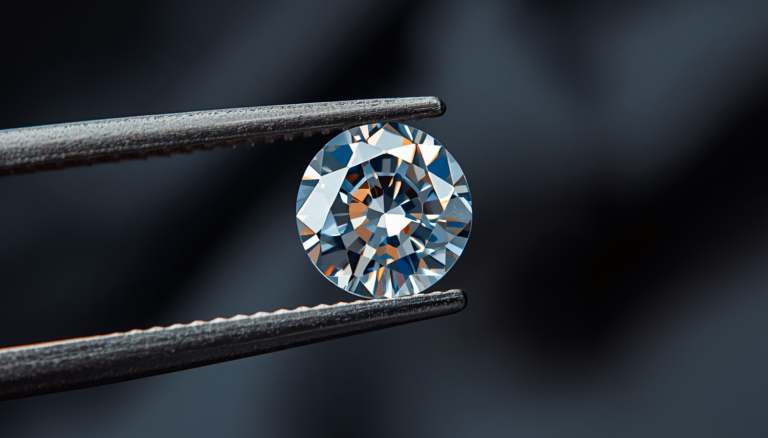
If there is one “C” to obsess over, it is Cut. A diamond’s cut is its mathematical engine — it determines how light enters, refracts, and returns to your eye as brilliance and fire. A 2-carat diamond with a mediocre cut will often look dark, watery, or lifeless compared to a perfectly proportioned 1-carat “Ideal” or “Excellent” cut stone.
In 2025, we recommend looking for Ideal or Excellent cut grades exclusively for round diamonds. For fancy shapes like emerald or Asscher cuts, focus on the “hall-of-mirrors” depth — these step-cuts require higher clarity because their long, sleek facets don’t hide inclusions as well as the 57 or 58 facets of a round brilliant.
2. Color — The Art of Perception
Diamond color is graded from D (colorless) to Z (light yellow). While D–F stones are the “icy” pinnacle of the scale, they carry a significant rarity premium. Expert buyers often find the “sweet spot” in the G through J range — these stones appear nearly colorless to the untrained eye but offer far greater value.
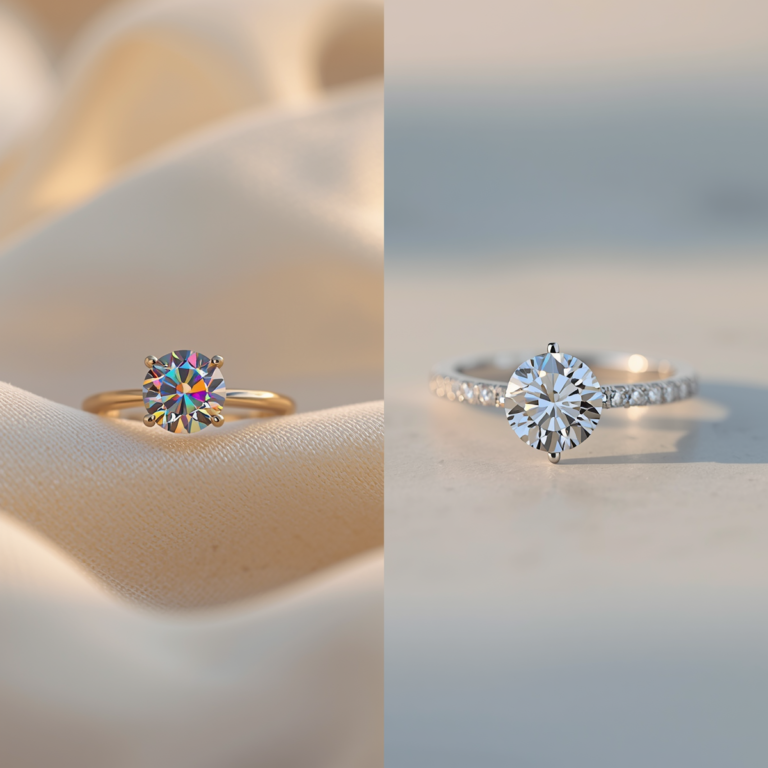
Veyrael Tip: The metal you choose should dictate your color grade. If you are setting your diamond in the warm, buttery glow of 18K yellow gold or the romantic blush of rose gold, you can safely move down to an I or J grade. The metal’s warmth will naturally mask any slight tint in the stone — allowing you to reallocate those savings into a larger carat or a better cut.
3. Clarity — Seeking “Eye-Clean” Perfection
Clarity refers to the “fingerprints” of nature — internal inclusions and surface blemishes. While “Flawless” stones are poetic, they are also incredibly rare and priced accordingly. For a diamond that looks perfect during a candlelit dinner or under the soft afternoon sun, aim for VS1 to SI1 grades. Most inclusions in these ranges are invisible to the naked eye and only reveal themselves under 10x magnification.
4. Carat — Weight vs. Visual Impact
Carat is a measure of weight, not necessarily size. Two diamonds of the same carat weight can look remarkably different depending on their cut and shape. Elongated shapes — such as ovals, marquise, and pears — create an illusion of greater size on the finger compared to a round stone of the same weight.
Natural, Lab-Grown, or Refined? The 2025 Diamond Debate
The diamond landscape has evolved. Choosing a stone is no longer just about the 4Cs — it is about the story of its origin.
| Type | Key Advantage | Best For |
|---|---|---|
| Natural Diamond | Billions of years old — rare, historic, investment-grade | Collectors, traditionalists, heirloom pieces |
| Lab-Grown Diamond | 60–85% less expensive, chemically identical to mined | Maximum size and quality per dollar |
| Refined American Diamond | Hand-selected, recut to modern light performance standards | History + modern brilliance in one stone |
Architectural Integrity: Choosing Your Metal and Setting
A ring is a piece of wearable architecture. It must be as durable as it is beautiful.
Choosing Your Metal
14K Gold — Our standard for daily wear. It strikes the perfect balance between gold content and durability, resisting the scratches and dents that can plague softer, higher-karat metals.
Platinum — The “forever” metal. It is naturally white, hypoallergenic, and incredibly dense. While it develops a soft patina over time, its prongs are the most secure way to hold a precious stone.
Avoiding the “Diamond Death Rub”
One of the most common mistakes in jewelry buying is the “Diamond Death Rub.” This occurs when the diamonds in a wedding band are set in a way that they constantly scrape against the gold prongs or shank of the engagement ring. Over time, these tiny diamond girdles act like microscopic saws, chewing through the precious metal and leading to stone loss. To prevent this, consider bezel or channel settings for your bands — which recess the diamonds and protect adjacent jewelry.
5 Expert Strategies for a Value-Driven Purchase
- Buy “Under the Mark” — A 0.95-carat diamond will cost significantly less than a 1.0-carat stone, yet they are visually indistinguishable on the hand. The same logic applies at 1.45 vs 1.5, and 1.9 vs 2.0 carats.
- Inspect in Multiple Lights — Jewelers use specific spotlights designed to make every stone sparkle. Ask to see your diamond in natural daylight and the diffused light of an office to see its true character before committing.
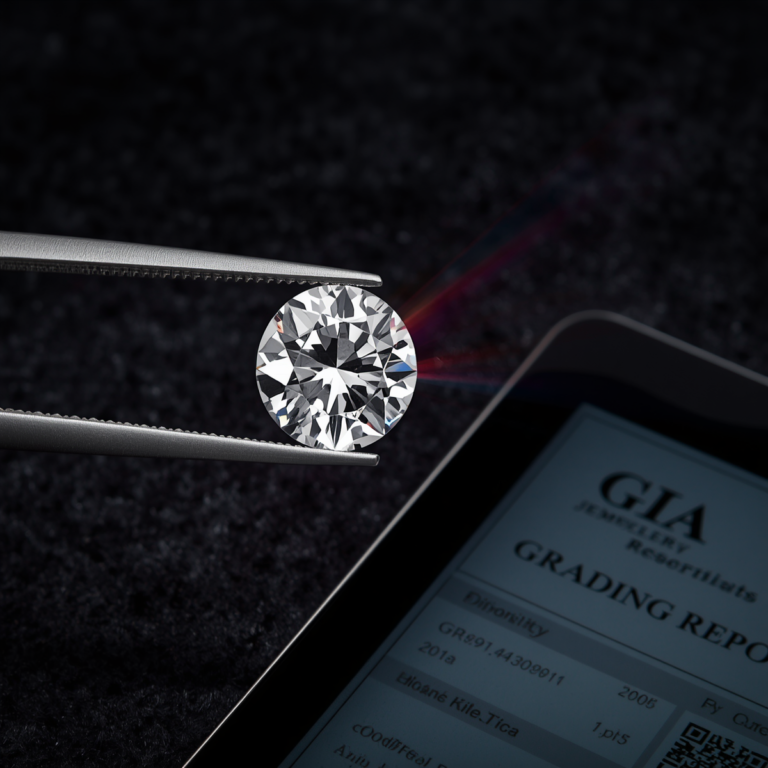
- Insist on Certification — Never purchase a significant stone without a GIA or IGI grading report. This is your blueprint of quality and ensures you are paying for what you actually receive.
- Consider Elongated Shapes — Ovals, marquise, and pear-shaped diamonds appear larger face-up than rounds of the same carat weight. You get more visual impact for the same spend.
- Choose Bezel or Channel Settings for Wedding Bands — These settings recess the diamonds below the metal surface, preventing the “Diamond Death Rub” that destroys rings over time.
Frequently Asked Questions
-
Can a jeweler tell if a diamond is lab-grown?
Not by sight. Even with a 10x jeweler’s loupe, lab-grown and natural diamonds are indistinguishable. Only advanced gemological laboratory equipment can detect the microscopic growth patterns that separate them. -
Is platinum better than white gold?
Platinum is more durable and hypoallergenic, but white gold is often more affordable. White gold requires occasional rhodium replating to maintain its bright white finish, while platinum develops a natural patina that many collectors prefer. -
What is the most important of the 4Cs?
Cut — without question. A poorly cut diamond will look lifeless regardless of how colorless or flawless it is. Always allocate the largest portion of your budget to securing the best cut grade possible.
Continue Reading on Veyrael
- → The Guide to Bridal Jewelry: Curating a Seasonal Legacy Beyond the Dress
- → How to Buy Diamonds Online: A Connoisseur’s Guide to the Digital Atelier
- → The Art of the Heirloom: A Guide to Personalized Mother’s Jewelry
- 🔍 Try Our Diamond Size Visualizer — See how every carat looks on your finger before you buy
- 💎 Use Our Live Jewelry Loupe — Inspect any stone in real time with your phone camera
The Bottom Line
Buying a diamond in 2025 is not about spending the most — it is about spending the smartest. Prioritize cut above everything else, find your color sweet spot in the G–J range, choose an eye-clean clarity grade, and never buy at a round carat number when 0.05 carats less saves you thousands.
Whether you choose a natural stone forged deep within the earth or a lab-grown diamond that gives you twice the size for the same budget, the right diamond is the one that takes her breath away — and keeps you smiling when the credit card bill arrives.