The Radiant Geometry: An Expert Guide to Buying and Identifying Authentic Art Deco Jewelry
The roar of the 1920s wasn’t just heard in jazz clubs and bustling city streets; it was etched into the very stones and metals of the era’s jewelry. Art Deco jewelry remains the most sought-after category of vintage luxury, defined by a rebellious shift away from the soft, flowery “Garland” styles of the Edwardian era toward a future defined by machine-age precision and architectural boldness.
For the modern collector, an Art Deco piece isn’t just an accessory; it is a fragment of history. However, as “Deco-inspired” reproductions flood the market, distinguishing a true 1920s masterpiece from a modern imitation requires an expert eye.
At Veyrael, we believe luxury should be backed by literacy. This guide explores the soul of the Art Deco movement—its origins, its visual language, and the technical markers you need to secure a genuine investment.
The Birth of a Revolution: From Paris to the World
While the seeds of the movement were sown earlier, Art Deco found its defining moment at the 1925 Exposition Internationale des Arts Décoratifs et Industriels Modernes in Paris. This specialized exhibition was designed to highlight the “modern style,” a term that would eventually be shortened to “Art Deco” in the 1960s.
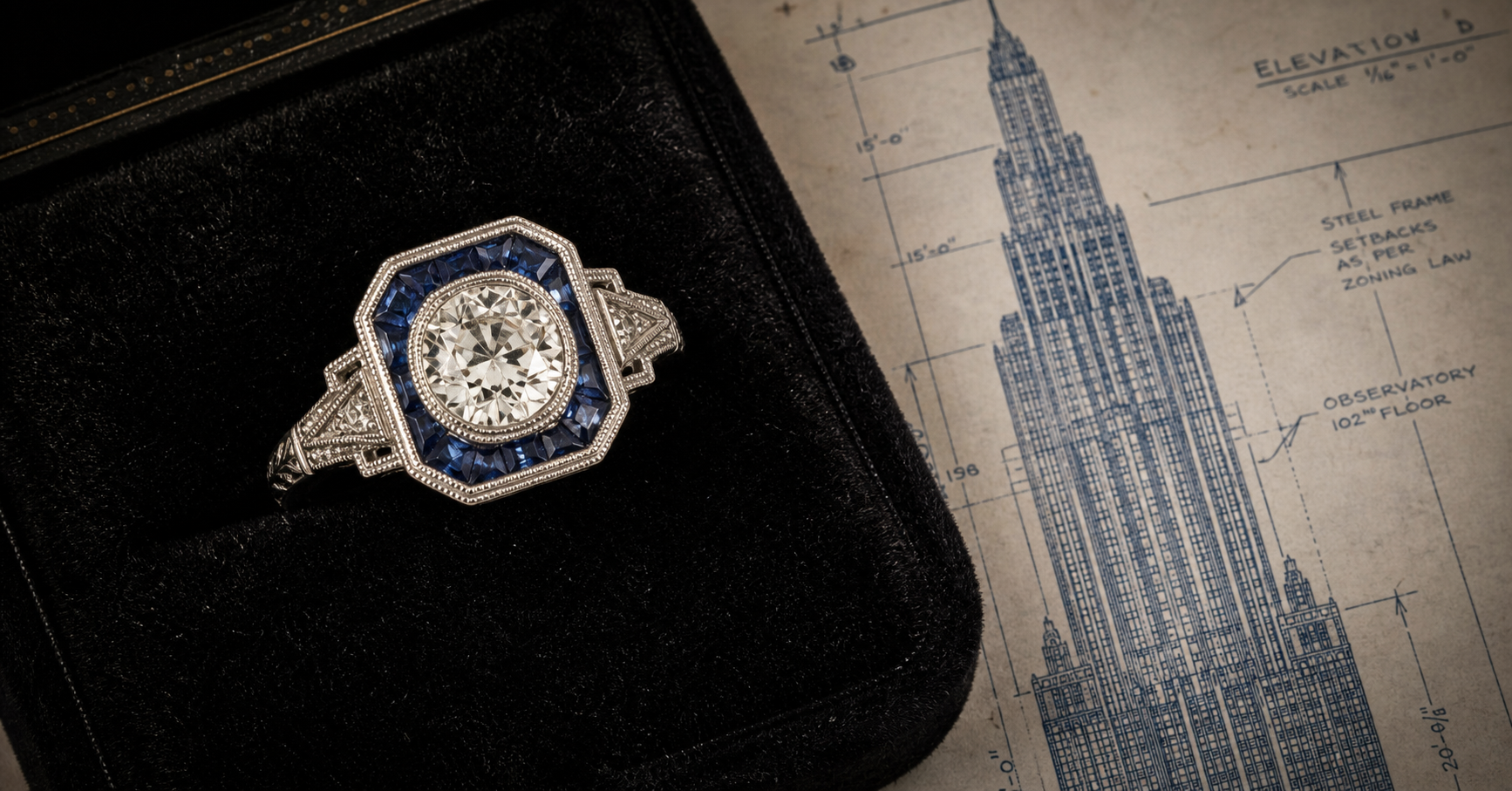
Unlike its predecessor, Art Nouveau—which looked to the natural world and the “whiplash” curve for inspiration—Art Deco looked to the skyscraper, the engine, and the blueprint. It was a celebration of progress. The move was philosophical: Art Nouveau valued the individual artist’s hand above all, while Art Deco embraced the engineer’s precision.
The Visual Vocabulary: Geometry, Symmetry, and Contrast
If you are evaluating a piece and wondering if it truly belongs to the Deco era, start with the lines. Where Art Nouveau curves, Art Deco angles.
1. Mathematical Symmetry
In Deco design, everything feels balanced and intentional. Compositions are mirrored, often with mathematical accuracy, reflecting the era’s fascination with industrial technology and architecture. Look for repeating patterns like chevrons, sunbursts, and stepped pyramids—motifs that mirror the ziggurat-like silhouettes of 1920s skyscrapers.
2. High-Octane Contrast
The Deco palette was one of high drama. Designers often paired the “arctic splendor” of diamonds and platinum with the deep, opaque black of onyx or the vibrant greens of jade and emerald. This wasn’t just about color; it was about “color blocking”—a graphic arrangement of materials that remains strikingly modern nearly a century later.
3. The Calibré Revolution
One of the most distinctive techniques of the era is the use of calibré-cut stones. These are small gemstones (sapphires, rubies, or emeralds) custom-cut into specific geometric shapes—rectangles, triangles, or trapezoids—to fit perfectly into a setting’s border without gaps. This created “ribbons” of color that flowed with the architecture of the piece, a detail rarely found in mass-produced modern jewelry.
Materials of the Machine Age: Platinum and “New” Diamonds
Before you invest, you must understand the materials that defined the 1920s and 30s.
- Platinum as the Standard: While white gold was used as a more affordable alternative, platinum was the metal of choice for high-end Deco designs. Its strength allowed jewelers to create incredibly fine, lace-like “pierced” galleries and milgrain edging that would be too brittle in other metals.
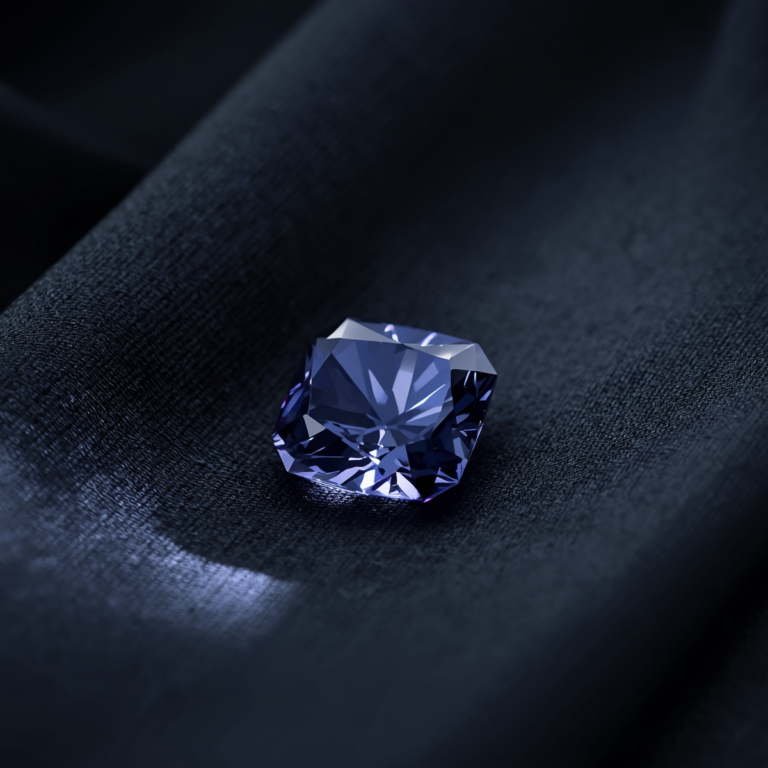
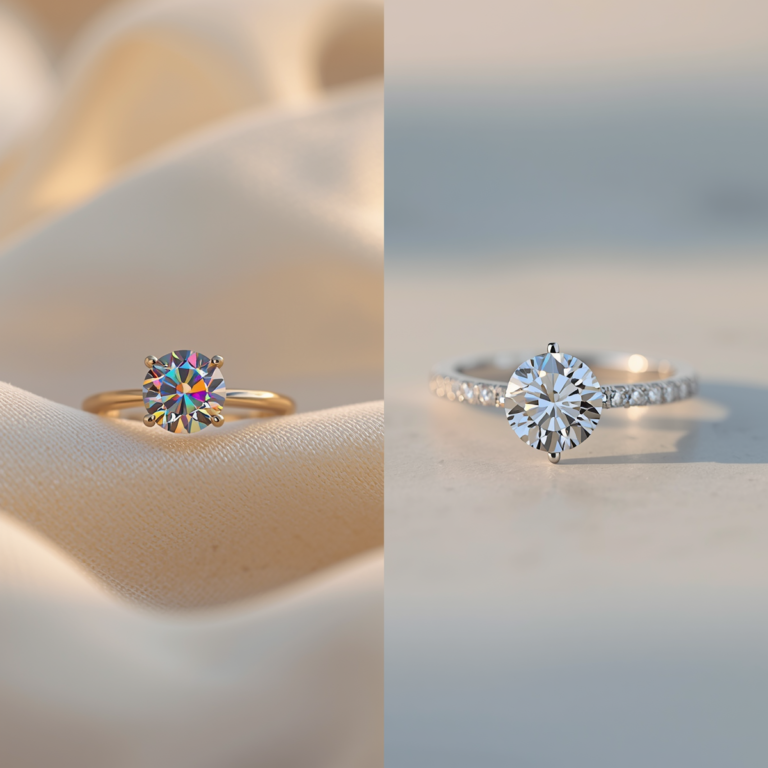
- Vintage Diamond Cuts: Authenticity often lies in the sparkle. Modern brilliant cuts can look “angry” or overly sharp compared to the Old European, Asscher, and Baguette cuts favored in the 1920s. Old European cuts have a softer, deeper glow that reflects candle-lit evenings rather than the harsh LED lights of today.
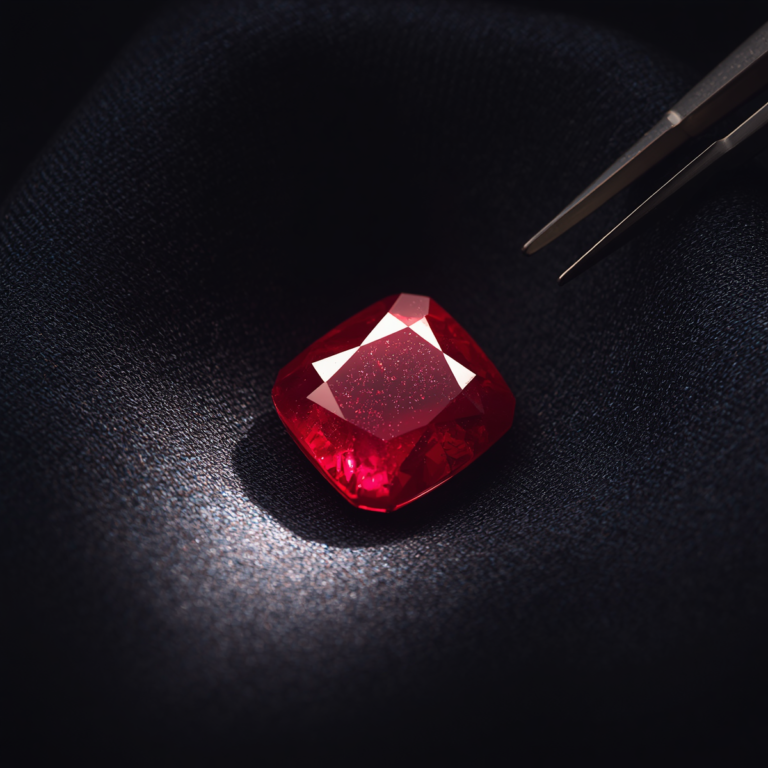
- The Rise of Synthetics: Surprisingly, the presence of synthetic sapphires or rubies does not necessarily mean a piece is a fake. Art Deco designers embraced technology and frequently used laboratory-created stones because they offered the intense, uniform color required for geometric precision.
Global Influences: From the Nile to the Nizams
The “geometry” of Art Deco wasn’t just Western. The era was profoundly shaped by two major cultural events:
1. Tut-mania (1922): The discovery of King Tutankhamun’s tomb unleashed a global obsession with Egypt. Suddenly, lotus flowers, scarabs, and pharaonic silhouettes appeared in the windows of Cartier and Boucheron.
2. The Maharajas: Jacques Cartier’s travels to India led to a “fusion of East and West”. He brought back carved Mughal emeralds and rubies, resetting them into the rigid, platinum structures of Paris—a style famously known as “Tutti Frutti”.
The Veyrael Buying Guide: How to Spot the Real Deal
Buying vintage jewelry is an exercise in trust, but you should always verify with evidence. Here is how to ensure your piece is an authentic relic of the Jazz Age:
Check the “Milgrain”
Milgrain refers to the tiny, beaded metal borders found along the edges of many Deco settings. On authentic pieces, this detail was applied by hand with a tiny wheel, leading to slight, beautiful irregularities. Modern reproductions often show machine-perfect, sterile milgrain that lacks the soul of hand-finishing.
Inspect the Back
A true luxury piece is finished as beautifully on the back as it is on the front. Authentic Art Deco rings will have hand-cut, crisp galleries (the metalwork under the stone) rather than the smooth, rounded “cast” look of modern bulk manufacturing.
Look for Hallmarks
Check for stamps like “PLAT” or “950 PLAT”. In the UK, look for hallmarks that indicate the date and location of the maker. Because Art Deco pieces are almost a century old, they should show genuine patina—fine, microscopic scratches that indicate years of wear, rather than the high-gloss shine of a brand-new “vintage-style” ring.
The Weight of History
There is a specific “heft” to platinum and hand-forged jewelry. Mass-produced “Deco-style” rings often feel lighter or thinner in the band.
The Rise of Couture “Fakes”: Chanel and the Art of Costume
Not all Deco masterpieces were made of diamonds. In the early 1920s, Gabrielle “Coco” Chanel revolutionized the industry by making “fake” jewelry chic. Her Vrais bijoux en toc (true fake jewelry) collection bridged the gap between unimaginative fine jewelry and cheap trinkets.
At the same time, the discovery of Bakelite—the first synthetic plastic—allowed for “disposable luxury”. Designers like Auguste Bonaz used Bakelite to create bold, colorful, and unashamedly modern necklaces that were available to the masses. When buying Deco costume jewelry, look for the deep, rich colors and “clunk” of genuine Bakelite, which has a weight and shine distinct from modern acrylics.
For care techniques that preserve antique geometry, read The Art of the Heirloom: A Masterclass in Jewelry Care and Gemstone Longevity.
FAQ: Frequently Asked Questions
Q: Can I wear a genuine Art Deco ring every day? A: Yes, especially those made of platinum. Platinum is incredibly durable and holds stones securely. However, avoid wearing delicate enamel or emerald pieces during heavy activity, as these materials can chip.
Q: Is Art Nouveau jewelry more valuable than Art Deco? A: Often, yes. Art Nouveau had a much shorter production window (roughly 20 years) and the pieces are more fragile, making them significantly rarer today. However, signed Art Deco pieces from houses like Cartier or Van Cleef & Arpels can command millions at auction.
Q: How do I clean my Art Deco jewelry? A: Never use ultrasonic cleaners for vintage pieces, especially those with emeralds, pearls, or enamel. Use a soft brush, mild soap, and lukewarm water, or consult a professional who specializes in antique restoration.
Conclusion: A Confidence That Transcends Trends
Art Deco jewelry has never truly gone out of style because it was never just a trend; it was a manifesto of independence and modernism. Whether it is the architectural elegance of a platinum solitaire or the rebellious flash of a Bakelite bangle, these pieces offer a sense of “substance, soul, and story” that mass-produced jewelry simply cannot replicate.
By focusing on craftsmanship, geometry, and the unique technical markers of the 1920s, you can build a collection that isn’t just beautiful—it’s a legacy.
Bibliography & References
- Arwas, Victor. Art Deco. Academy Editions, London, 1992.
- Becker, Vivienne. Fabulous Fakes: The History of Fantasy and Fashion Jewelry. Grafton Books, London, 1988.
- Cartier Exhibition Proposal. “Cartier and the Maharajas: A unique fusion of East and West.” British Museum, 2015.
- Efimova, Alina. “Masterpieces of Jeweller’s Art in the Egyptian Style Made by Cartier in the Period of Art Deco.” Atlantis Press.
- Filigree Jewelers. “What Defines Art Deco Jewelry? Complete Style Guide.” 2025.
- Gatsby Jewellery. “Art Deco engagement rings: How to spot a real one.” 2025.
- Millys Marvels. “Identifying Art Deco Jewellery.” 2023.
- Wikipedia. “International Exhibition of Modern Decorative and Industrial Arts.”