Golden Resin: The Veyrael Guide to Investing in Authentic Amber Jewelry
Why Amber Captivates the Modern Collector
There is an undeniable, primal magnetism to amber that sets it apart from the cold brilliance of diamonds or the structured fire of rubies.
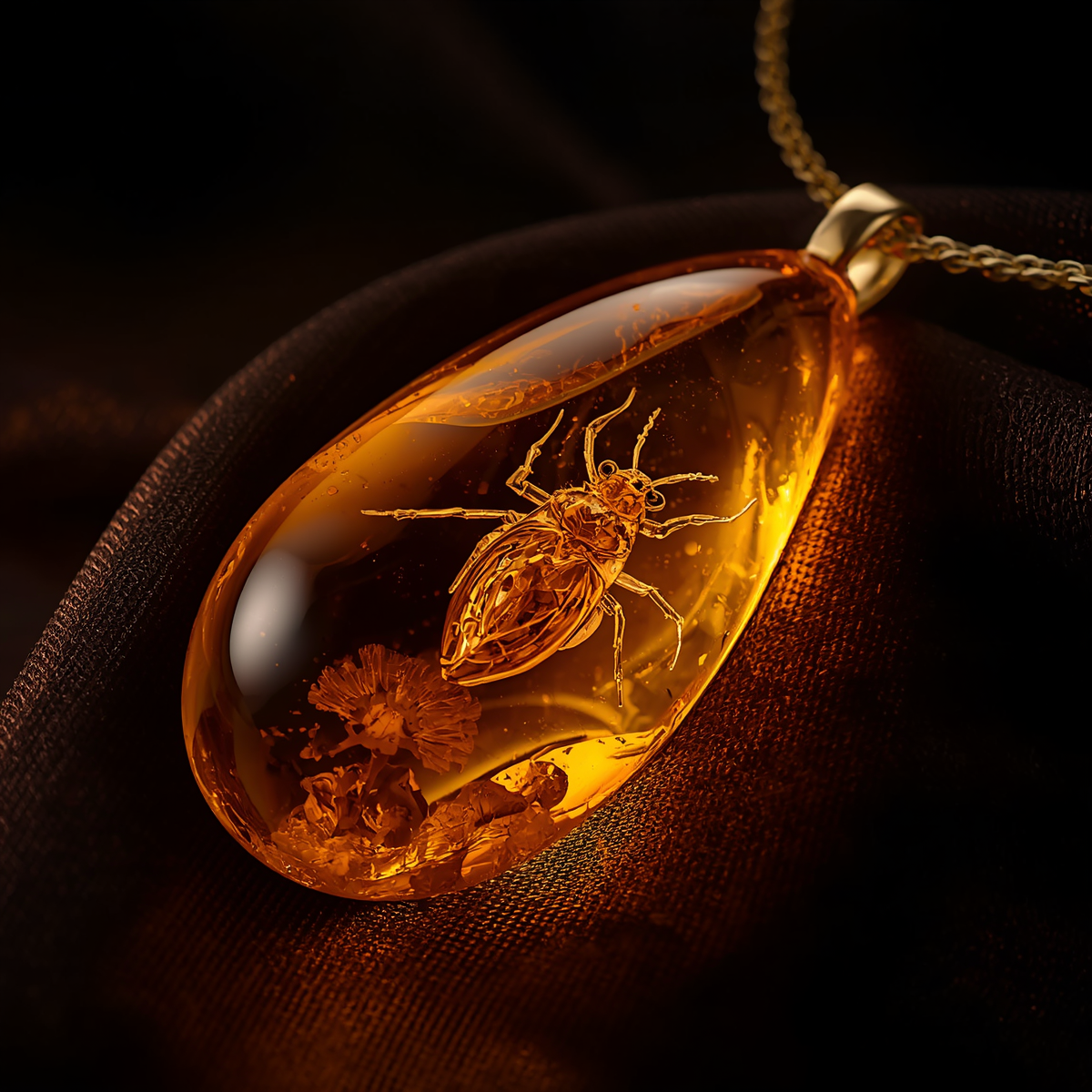
To hold a piece of amber is to hold a literal fragment of the prehistoric world, a “frozen moment in time” that has remained unchanged for millions of years. Unlike traditional minerals formed deep within the earth’s crust, amber is an organic treasure—the fossilized lifeblood of ancient forests.
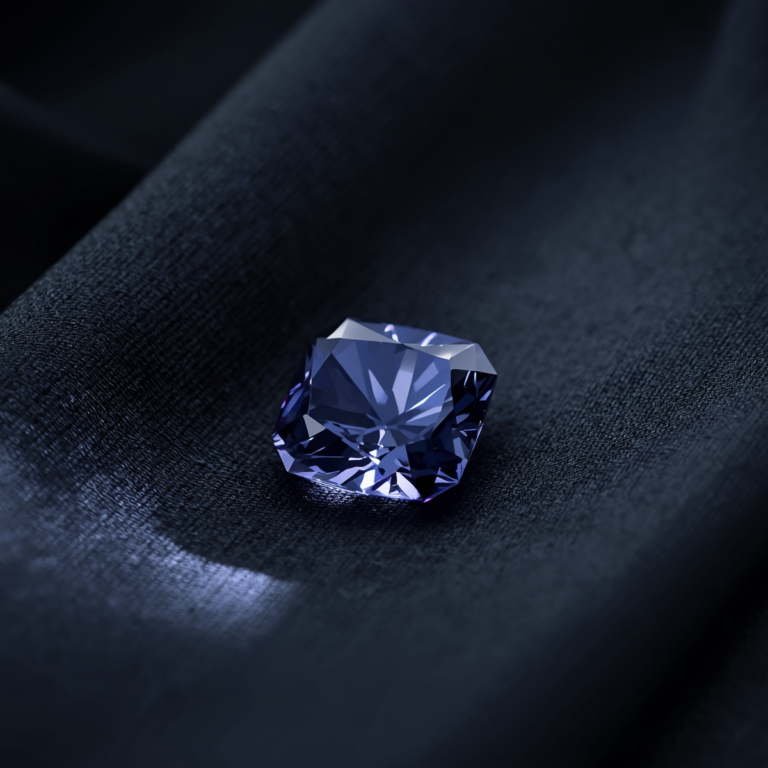
For the discerning jewelry enthusiast, amber offers more than just aesthetic beauty; it provides a tactile connection to the earth’s ancient history. Whether it is the warm, honey-hued glow of a Baltic pendant or the rare, ethereal blue of a Dominican specimen, amber remains a symbol of authenticity and timeless elegance in the luxury market.
At Veyrael, we believe that understanding the journey of this “golden resin” is the first step toward building a collection that is both personally meaningful and financially sound.
The Science of Frozen Time: Organic vs. Mineral Gemstones
To appreciate amber’s value, one must first understand its unconventional origin. Amber is not a mineral; it lacks the crystalline structure found in stones like quartz. Instead, it is fossilized tree resin—predominantly from ancient conifers—that oozed out tens of millions of years ago to seal tree wounds or ensnare unsuspecting insects.
Over vast geological epochs (typically 30 to 90 million years), this resin underwent a complex chemical transformation known as polymerization. Under the steady pressure of sediment and the heat of the earth, volatile components evaporated, leaving behind a stable, hardened organic plastic. While it is often colloquially called a fossil, scientists note that true amber preserves its original organic material rather than having it replaced by minerals. This preservation is so effective that scientists can study 40-million-year-old ecosystems through the perfectly intact biological inclusions trapped within the “sticky, oozing fluids” of the past.
Defining “Gem-Quality” Amber
While amber is relatively common, only a fraction is deemed “gem-quality” for high-end jewelry. It is a lightweight material, making it exceptionally comfortable for statement pieces that might otherwise feel cumbersome if crafted from heavier stones. With a Mohs hardness of just 2 to 2.5, it is as soft as a fingernail, requiring skilled artisans to cut and polish it without causing fractures.
Geographic Provenance: From the Baltic Shores to Dominican Depths
The value of an amber piece is inextricably linked to its origin. While deposits exist globally, three regions dominate the luxury landscape:
- The Baltic Region: Often called “Baltic Gold,” this is the most prolific source, accounting for nearly 80% of the world’s jewelry-grade amber. Found primarily in Poland, Lithuania, and Russia, Baltic amber is prized for its high succinic acid content.
- The Dominican Republic: This region produces amber from the resin of the Hymenaea protera tree. Dominican amber is world-renowned for its transparency and its rare, spectacular blue or green fluorescence under UV light.
- Myanmar (Burmese Amber): Known as burmite, this variety is significantly older (up to 99 million years) and often displays deeper, reddish-brown hues due to iron oxides.
The Veyrael Value Matrix: How to Price Amber
Pricing amber is a nuanced process. Unlike diamonds, which are sold by the carat, amber is typically valued by the gram (1 gram = 5 carats). When evaluating a potential purchase, consider these four pillars of value:
The presence of prehistoric “time capsules”—insects, feathers, or plant fragments—drastically increases rarity. Rare specimens can be worth thousands.
Rare hues like cherry red or “bone” white command premiums. Transparent material is generally preferred for fine jewelry.
Large, high-quality fragments are exceptionally rare. Most natural pieces weigh less than half a pound.
Handcrafted settings in gold or sterling silver add substantial value to the raw stone.
Consumer Protection: Spotting Fakes
As an informed buyer, you must navigate a market flooded with imitations. Understanding these distinctions is vital to avoiding costly mistakes.
The “Copal” Trap
The most common “near-miss” is Copal. Often sold as “young amber,” copal is tree resin that is only a few thousand to a few million years old. Copal is softer, stickier, and will react negatively to solvents like acetone.
Identifying Imitations
Designing for Longevity: Wearing Your Amber
Given its softness, amber requires thoughtful jewelry design. At Veyrael, we recommend prioritizing necklaces, pendants, and earrings over rings. If you do choose an amber ring, ensure it features a protective bezel or high-walled setting to safeguard the edges of the stone.
Protecting Your Legacy: Proper Amber Care
To ensure your amber retains its luster for generations, follow these maintenance rules:
- • Avoid Chemicals: No perfume, hairspray, or alcohol-based cleaners.
- • Temperature Control: Avoid extreme heat and direct sunlight.
- • Gentle Cleaning: Use lukewarm water and a very mild detergent.
- • Separate Storage: Store in a soft cloth pouch to avoid scratches.
Frequently Asked Questions
Yes. While it is organic rather than mineral, its status as a gemstone is solidified by its 10,000-year history of human adornment.
There is no credible scientific evidence to support the claim that wearing amber releases therapeutic levels of succinic acid into the skin.
This is made by fusing small fragments of natural amber together under high heat and pressure. It should be disclosed as reconstituted material.
They are rare snapshots of life from the age of dinosaurs, boosting both scientific and collector value.